
Photo Credit: Kraft
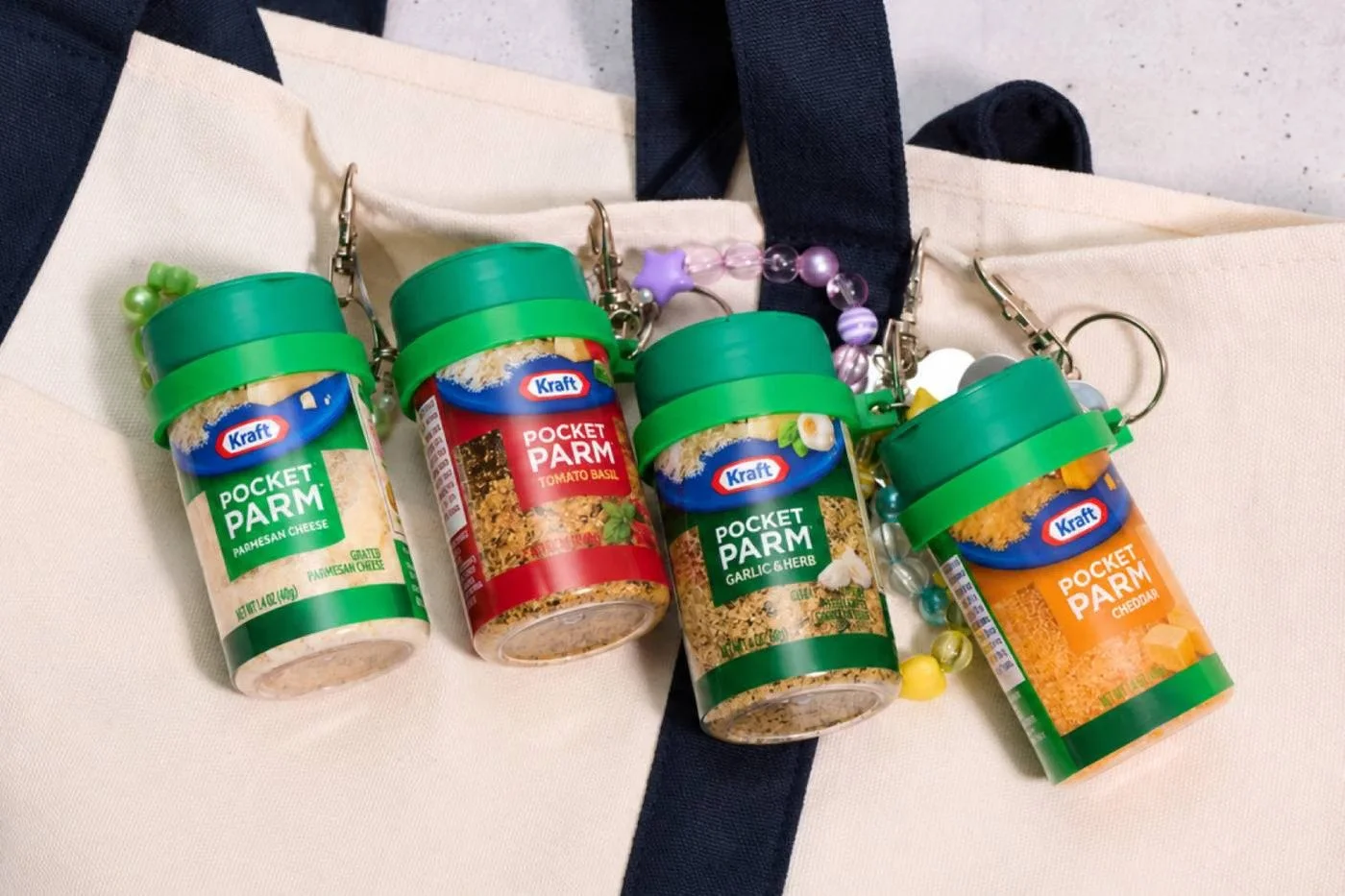
This October, Kraft shrank its green Parmesan shaker down to bag charm size and handed the minis out from a billboard truck in Los Angeles and Orlando. When a pantry staple turns into an accessory, the way people think about everyday products has changed.
For years, modern design rewarded restraint. Clean lines and neutral palettes made products easy to live with, and minimal branding let them disappear into any setting. That approach still has its place, but consumers are showing a growing appetite for objects with more personality, the kind that surprise them or start a conversation.
The numbers point the same way.
Bag charm sales on JOOR's wholesale platform reached 12 times the prior year's level in the first half of 2025, and the number of fashion brands selling them tripled. (Inside Retail)
The global toy industry grew 8% to $123 billion in 2025, and spending by consumers 15 and older has more than doubled since 2020, according to Circana. (eMarketer)
U.S. adults spent more than $9.1 billion on toys in 2025, per Circana. (Inside Retail)
We're calling it PLAYBACK, and it's the first trend in our 2027 forecast.
In 2026, our Quiet Revival trend explored the growing desire to slow down and find meaning in more intentional experiences. Where Quiet Revival gave us permission to pause, PLAYBACK gives us permission to play. Everyday essentials are becoming a way for people to show who they are, and the products winning attention are the ones with a sense of humor built in.
What PLAYBACK Means for Branded Merchandise
We're seeing this shift play out across fashion, retail, beauty and technology. Toys are turning into fashion accessories, and everyday bags are becoming personal collections clipped with charms. For brands, the opportunity is to bring that same personality into products people already use.
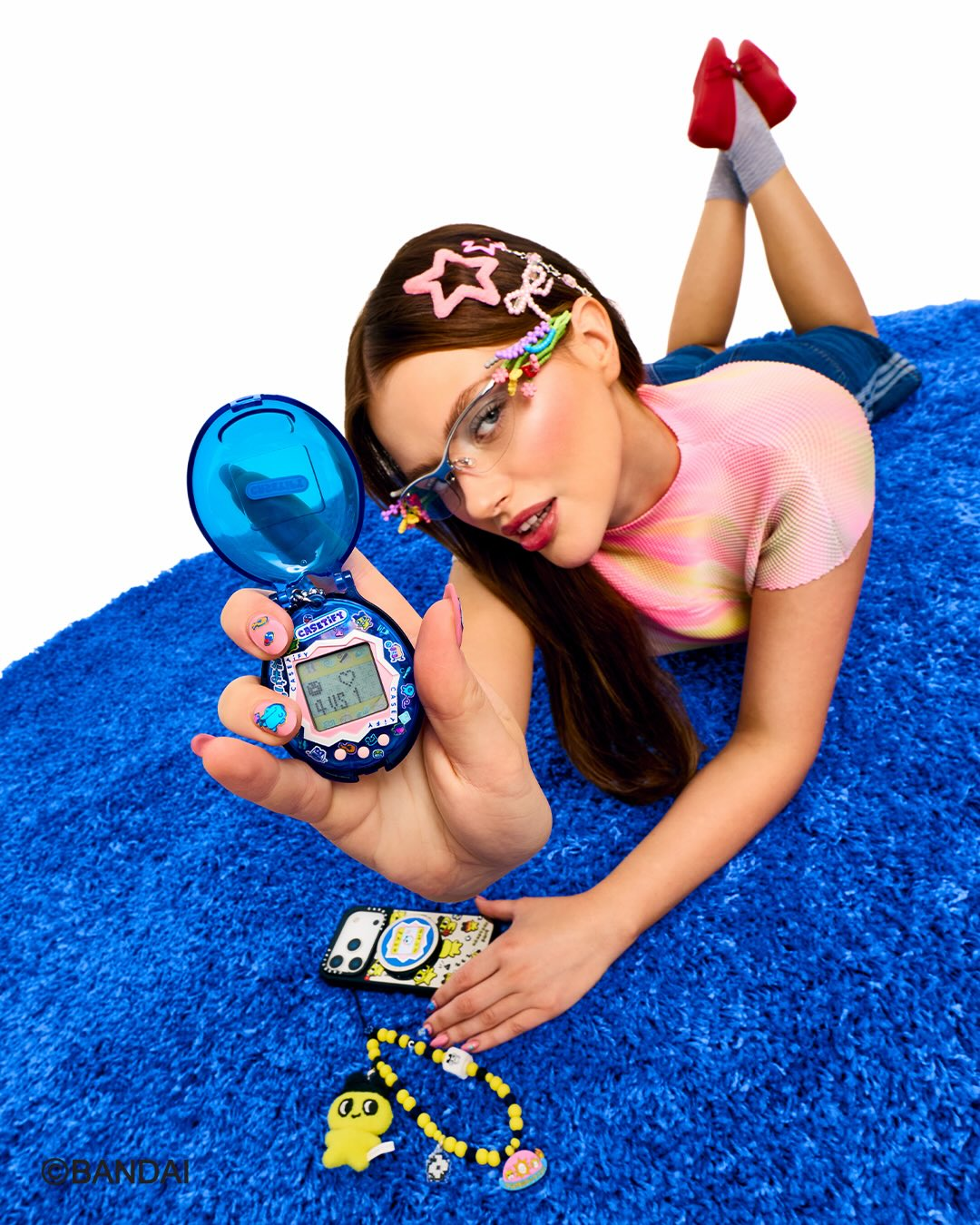
Familiar products with a twist. The strongest PLAYBACK products start with something people instantly recognize and change one detail, usually the scale or the material. A tote or a charging cable earns a second look when one element is exaggerated or unexpected.
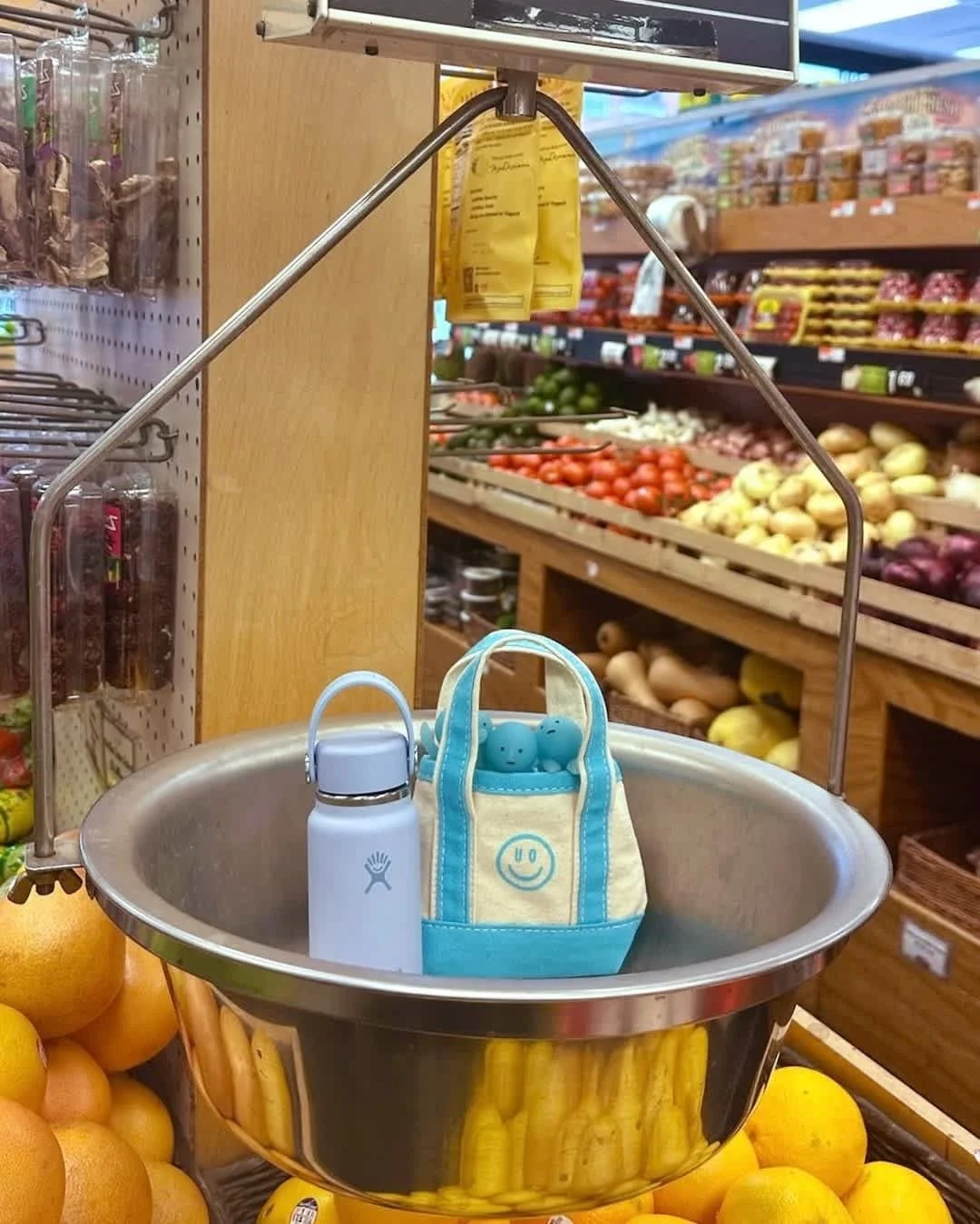
Collections over one-offs. Limited drops and numbered series give people a reason to come back. A blind-box reveal adds surprise to the unboxing, and a set that isn't complete yet keeps a brand on someone's mind long after the first piece arrives.
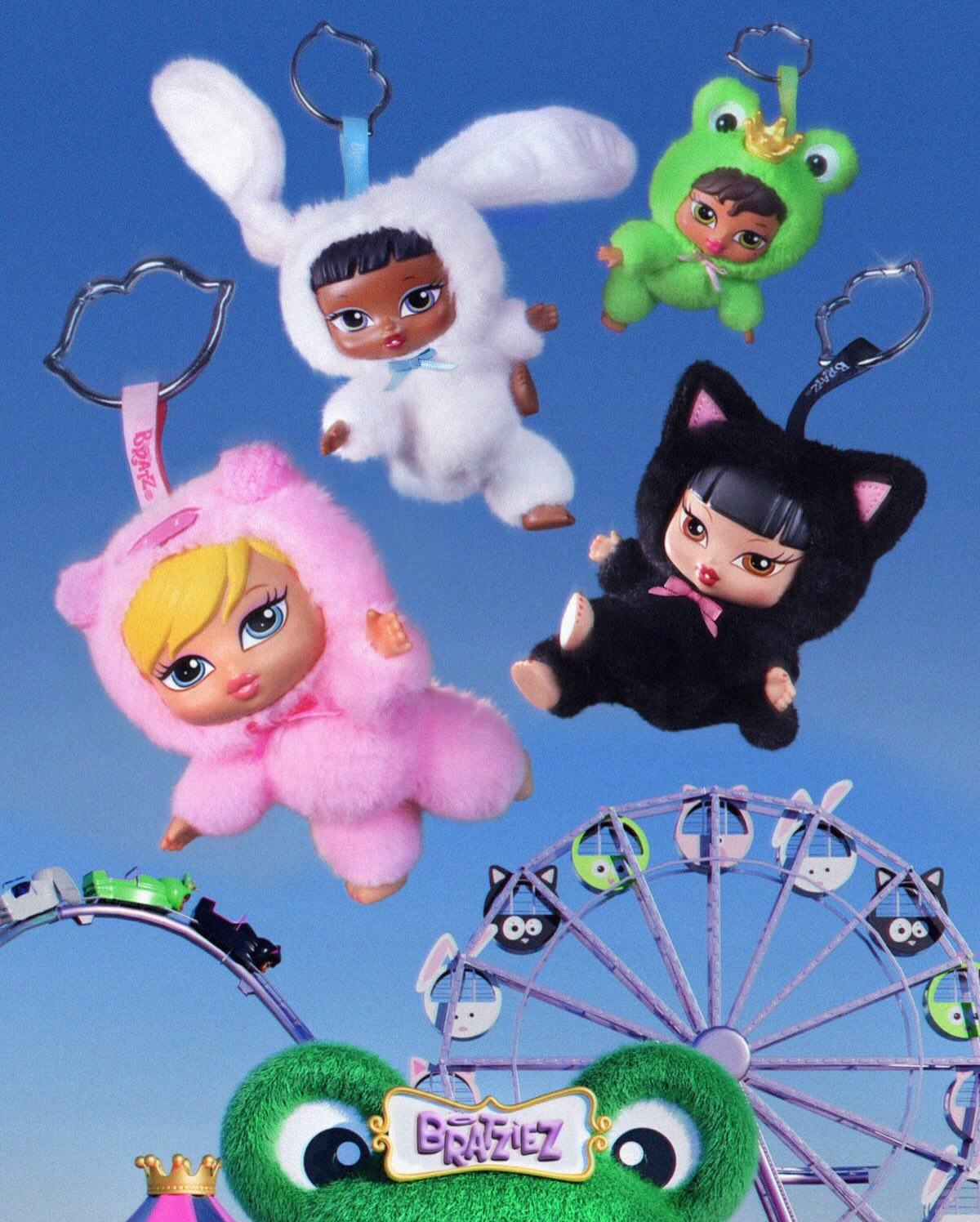
Miniatures and oversized proportions. Shrinking a hero product into a charm, or scaling a small object up to oversized proportions, turns something functional into something people want to display. Brand recognition does most of the work because the shape is already familiar.
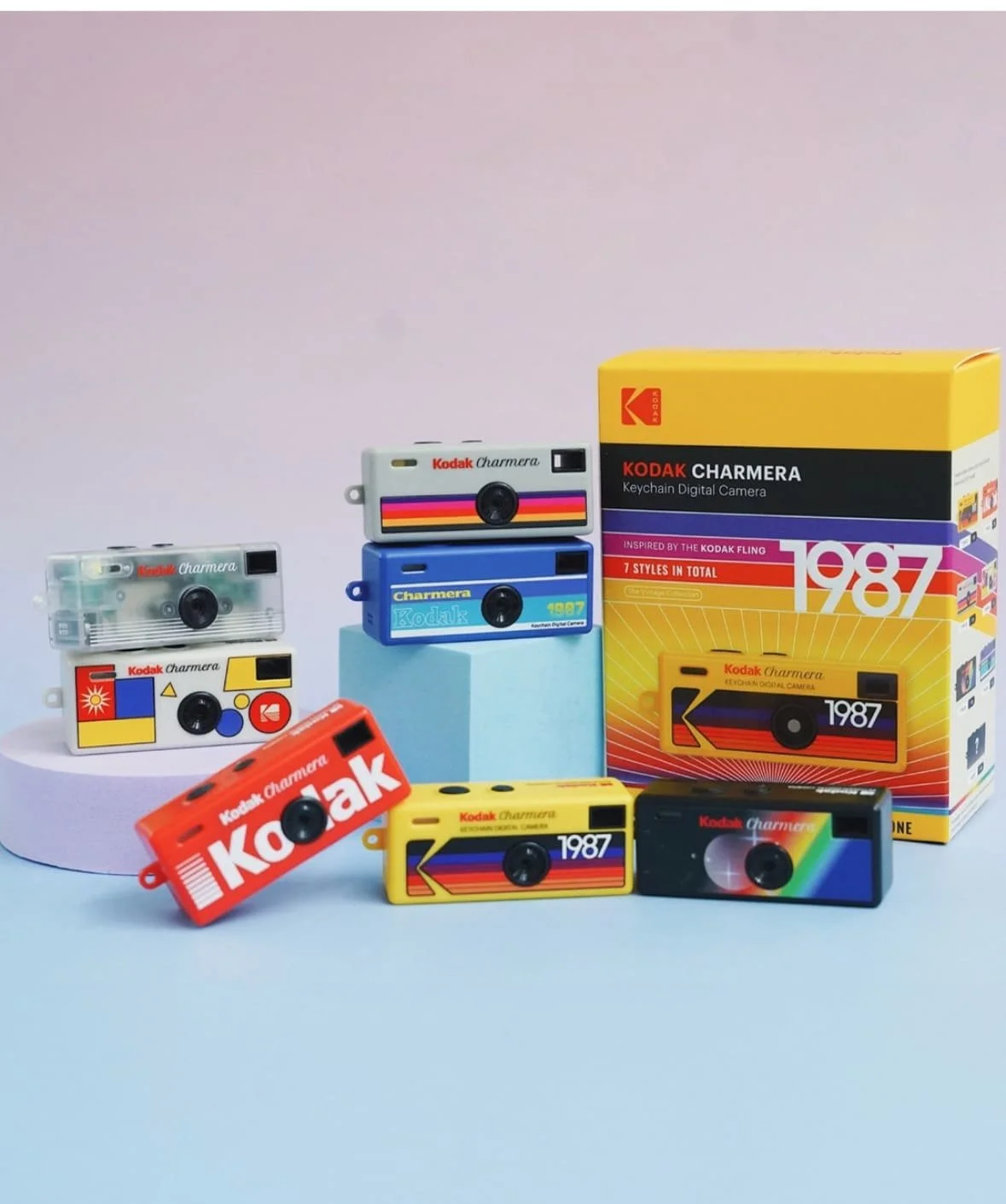
Packaging that's part of the gift. Packaging is becoming a reason to keep the product. Foil sleeves and sealed packs make opening the box feel like the first chapter of the experience, and the packaging often ends up on a shelf next to what came inside.

A cheeky, trendy, portable stack of playing cards provides the perfect landscape for your brand’s logos while offering a phone-free escape

Phone covers are a simple way to stay in the moment. Add trending designs to make them a sought-after phone accessory!

Debossing on bespoke leather goods add subtle elevation to sophisticated game nights.
PLAYBACK in the Wild
QUIET REVIVAL lives at the intersection of inner-child nostalgia and modern wellness. It taps into a longing for the days before phone addiction, when boredom sparked creativity and connection happened face-to-face.
Back to basics items are finding new relevance: puzzles, board games, journals, disposable cameras, coloring books, handwritten notes, and soft goods designed to be used rather than posted.
These are products anchored in a simpler time, yet reimagined for today’s need for balance.
How Whitestone Is Already Building for PLAYBACK

When Spotify sponsored the soundtrack award at The Game Awards in Los Angeles last December, the team wanted a handout guests would hold onto long after the show. Trading cards were a natural fit because they sit right where gaming culture and music fandom meet.
Whitestone partnered with Spotify's in-house creative team to produce limited-edition holographic card packs, released in three batches with three foil-enhanced artist cards per pack. Each card featured an artist who recorded a Spotify Single for the partnership. Every pack was sealed in a Mylar pouch and slipped into a black Spotify Singles sleeve, so opening one felt like pulling a rare card. Under the stage lights, the holographic finish shimmered as guests passed their packs around.
The project shows what PLAYBACK looks like inside a real brand program. A familiar format became a keepsake because of how it was finished and packaged, and a promotional handout turned into something people wanted to collect.
