
How Brands Are Winning with Vintage Merch
In a time when consumers crave authenticity and emotional connection, some of the smartest brands are looking backward to move forward. Vintage-inspired merchandise isn’t just a passing trend—it’s a powerful strategy for building deeper relationships, amplifying brand heritage, and driving revenue.
Here’s how four brands—Delta Air Lines, LEGO, 7-Eleven, and The New Yorker—have mastered the art of nostalgia to create products that resonate across generations.
Delta Air Lines: Flying High with Retro Style

Delta has crafted one of the most comprehensive heritage marketing strategies in the airline industry. Rather than simply placing old logos on generic merchandise, the brand has built an entire retro-inspired product ecosystem that pays homage to aviation’s golden age.
What Makes Delta’s Vintage Merch Strategy Work:
Authentic Design Elements: Delta carefully studied the mid-century design language—clean lines, bold colors, and sophisticated typography—that once made air travel synonymous with glamour
Diverse Product Categories: Beyond apparel, Delta introduced accessories, travel gear, and collectibles. From vintage luggage tags to model aircraft, every item appeals to both aviation enthusiasts and style-focused travelers.
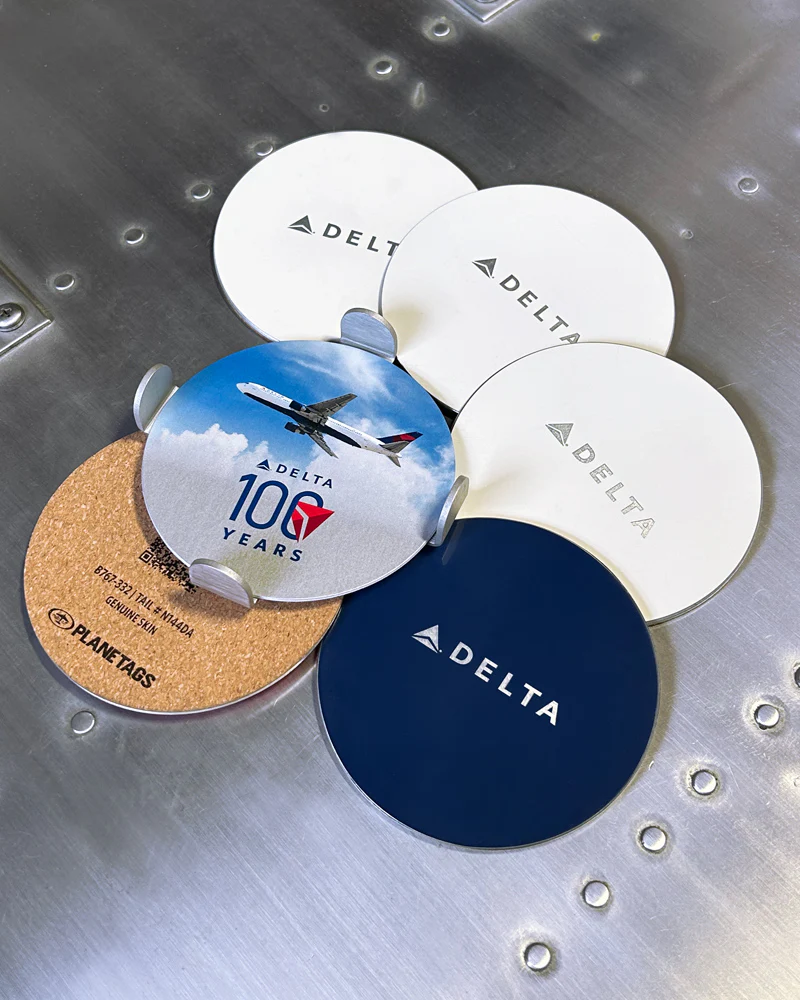
Storytelling Integration: Each product is paired with stories from Delta’s history, creating an emotional connection that justifies premium pricing.
Strategic Timing: Delta launches these collections around milestones and anniversaries, generating natural buzz and media coverage.
The results? Delta’s heritage merchandise often sells out faster than standard promotional items, with customers sharing their finds online, turning social media into a free advertising channel.
7-Eleven: Convenience Store Culture Goes Retro
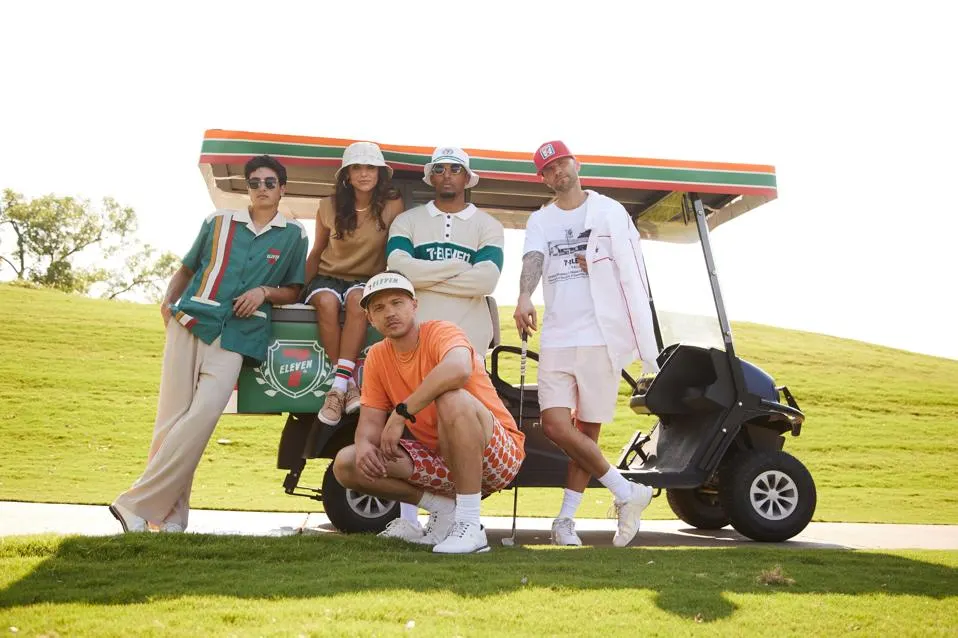
7-Eleven tees up nostalgia with The Convenience Tour; a merch collection that blends retro designs and vintage branding with a fresh take on golf-inspired streetwear. Proof that even convenience stores can play the long game in style.
7-Eleven proves that even utilitarian brands can tap into nostalgia with the right approach. By leaning into its cultural significance, the brand transforms everyday convenience into a lifestyle statement.
How 7-Eleven Made Vintage Merch Work:
Unexpected Premium Positioning: 7-Eleven’s retro collections elevate the brand beyond convenience, presenting it as a cultural icon worthy of collectible products.
Functional Nostalgia: Products like retro-styled thermal cups aren’t just decorative. They’re practical, blending form and function.
Community Connection: Merchandise often highlights local store culture or regional design variations, deepening ties with specific communities.
Creative Collaborations: Partnering with artists and designers for limited editions has made 7-Eleven’s retro drops highly collectible.
Social Media Integration: By encouraging user-generated content, 7-Eleven amplifies reach and authenticity.
The New Yorker: 100 Years of Covers, Commentary, and Culture
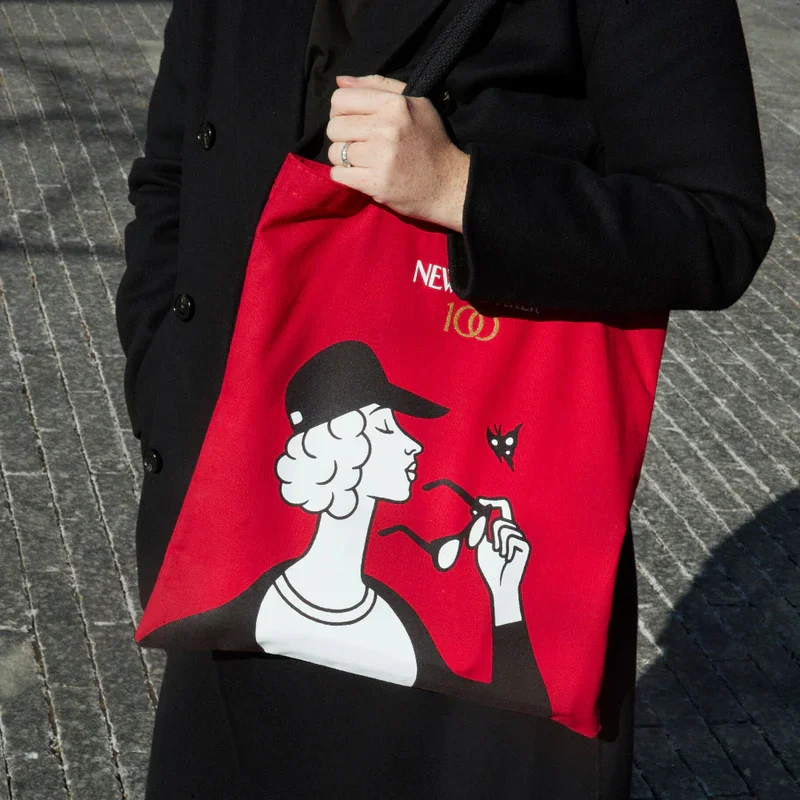
Tote bags become time capsules when they carry a century of storytelling. The New Yorker’s 100th anniversary tote transforms iconic cover art into a stylish, functional tribute to the publication’s lasting cultural impact.
For its 100th anniversary, The New Yorker reflected on its legacy. The brand spotlighted a century of its most iconic covers, essays, and illustrations. Readers were invited to scroll through time, uncovering not just the magazine’s history, but the cultural moments it helped define.
Why It Works:
Timeless Storytelling: The campaign let the archive shine, reminding audiences why The New Yorker remains a cultural authority.
Editorial as Artifact: Every piece doubled as a historical artifact, reinforcing the brand’s intellectual legacy.
Heritage-Inspired Merchandise: The 100-year anniversary collection includes a curated mix of apparel, prints, and accessories. Products blend art, wit, and nostalgia in a way that feels both elevated and accessible, yet limited.
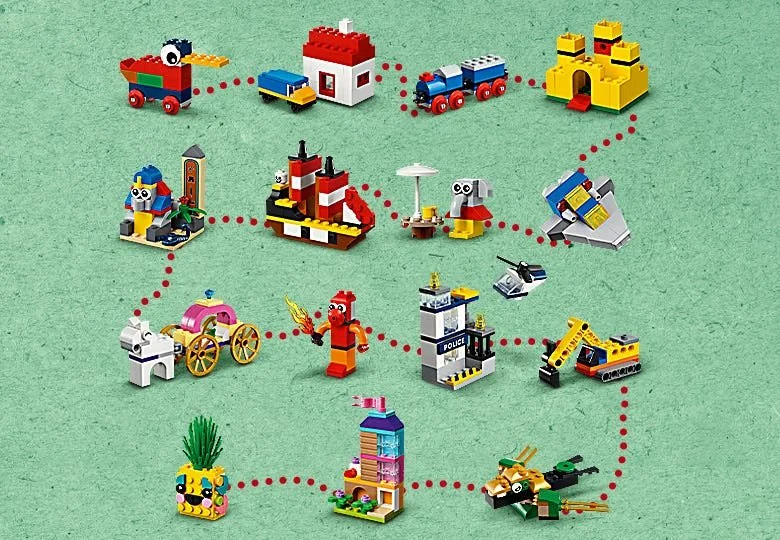
Lego celebrated 90 years in true Lego fashion: with a custom, limited edition set. Customers were able to recreate all of the iconic Lego pieces from over the years and enjoy endless hours of fun and nostalgia.
LEGO: 90 Years of Play
For its 90th anniversary, LEGO leaned into the shared childhood memories of generations. The campaign highlighted both the brand’s evolution and its enduring mission to fuel creativity.
Why It Works:
Emotional Universality: LEGO tapped into nostalgia across age groups, reminding fans of the wonder and imagination sparked by its bricks.
Product-Driven Legacy: The campaign celebrated both classic sets and modern creations, bridging past and present.
Community Engagement: LEGO invited fans to share their builds and memories, creating a collaborative celebration of creativity.
Common Success Factors Across These Brands
Though these companies operate in very different industries, their vintage merch strategies share key traits:
Quality Over Quantity: High-quality materials and authentic designs give nostalgic products staying power.
Research-Driven Design: Each brand carefully studied its historical aesthetics, avoiding generic “retro” looks.
Strategic Timing: Launches were timed to milestones, anniversaries, or cultural moments for maximum impact.
Multi-Channel Integration: Merch wasn’t a side project, it was woven into broader brand storytelling.
Community Building: These products became symbols of belonging, with fans proudly sharing their collections online.
Ready to create a nostalgic moment of your own?
The Business Impact of Nostalgic Merchandise

This merch drop reflects a theme of modern nostalgia, playing with a vintage colour palette and logo from our past but in a fresh and fun way
When executed well, vintage merchandise does more than generate direct sales. It strengthens brand loyalty, enhances customer engagement, and reinforces brand perception, often turning fans into organic ambassadors.
By blending heritage with modern design, these brands have proven that nostalgia isn’t about looking backward; it’s about creating timeless connections that last.