
Coachella 2026 Taught Us Everything We Need to Know About Merch Right Now
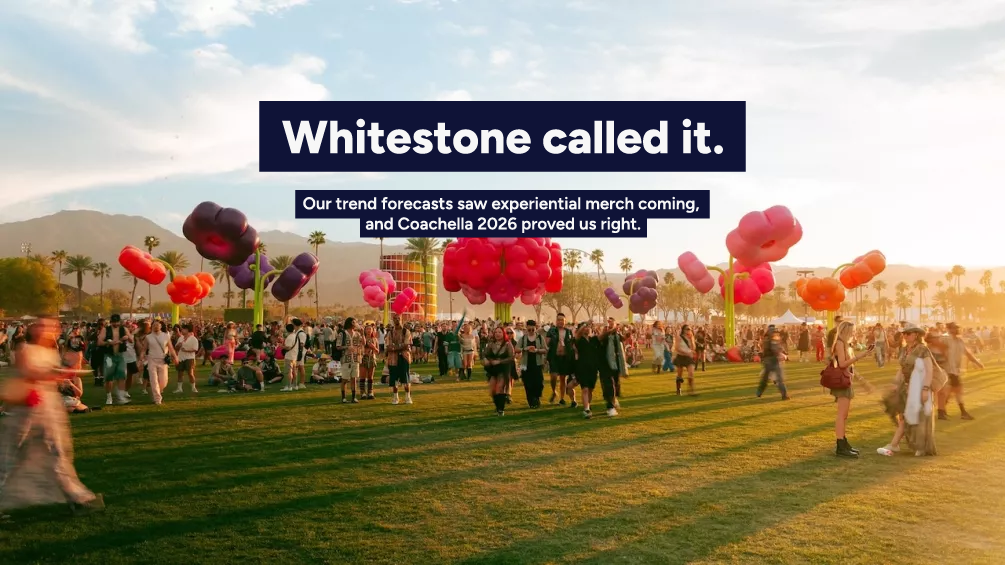
Coachella 2026 was one for the books. Photo credit: DJ Mag
Every April, Coachella becomes the world's most-watched stage for culture, fashion, and brand strategy. This year, it delivered some of the clearest lessons yet. Not just from the headliners, but from the brand activations that turned the desert into an experiential marketing laboratory. We were watching closely, and here's what inspired us.
The Numbers That Stopped Everyone
Let's start with the headline that had the merch industry buzzing. Justin Bieber headlined Coachella 2026—his first major festival appearance in years—and his fashion and lifestyle brand Skylrk generated $5.04 million in merchandise sales during the festival's first weekend alone, surpassing the previous two-weekend combined record of $1.7 million
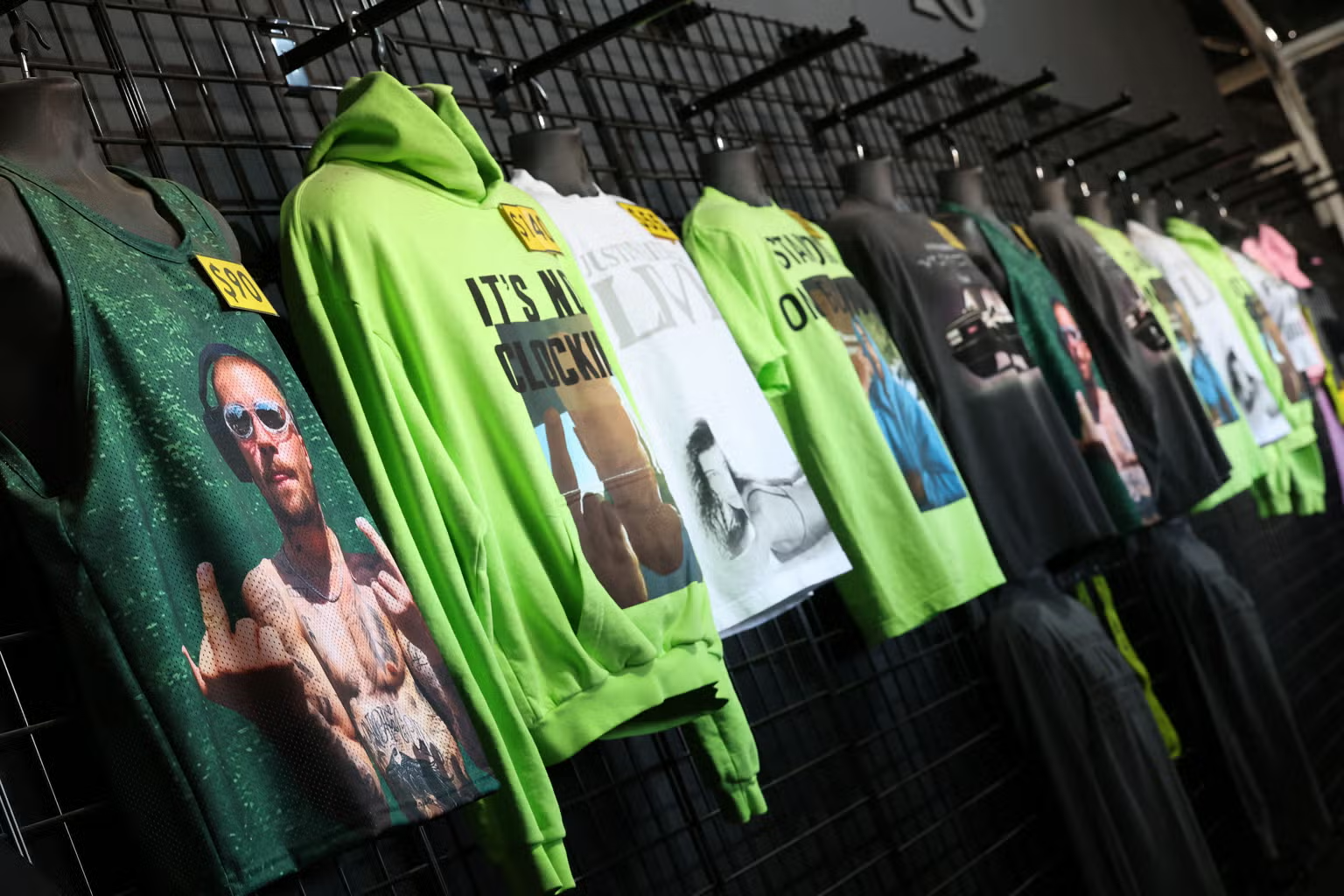
Justin Bieber’s brand Skylrk generated a record breaking $5 million during Coachella weekend one. VALERIE MACON / AFP via Getty Images
The collection leaned into a "Swag"-themed drop: hoodies emblazoned with slogans like "It's Not Clocking" for $140, graphic tees, beanies, camo hats, and the viral "Sizzler" silicone phone cases with a joint-shaped holder. Even the branded shopping bags, retailing for $5, began reselling on eBay for as much as $100.
What drove it? A dual-channel strategy: merch was available in the official artist merch tent and at a dedicated Skylrk Shop next to the immersive Skylrk Oasis—a shaded, mist-cooled respite space that gave festivalgoers a reason to linger and spend.
But the Merch Story Wasn't Only Bieber's
Gap made its Coachella debut this year as the festival's exclusive clothing apparel sponsor, and its Hoodie House activation became one of the most talked-about brand moments of the weekend. Located directly within the festival grounds, Hoodie House served as an immersive hub where festivalgoers, creators, and artists could connect through fashion, music, and culture, blending Gap's signature brand codes with California's cool desert vibes.
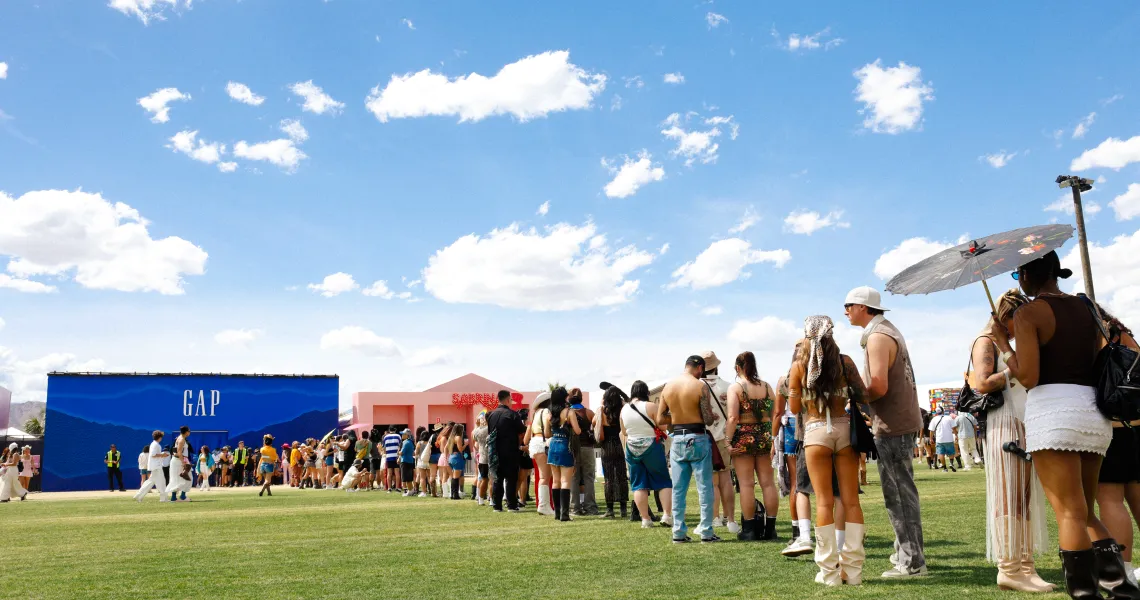
Credit: Glossy Co.
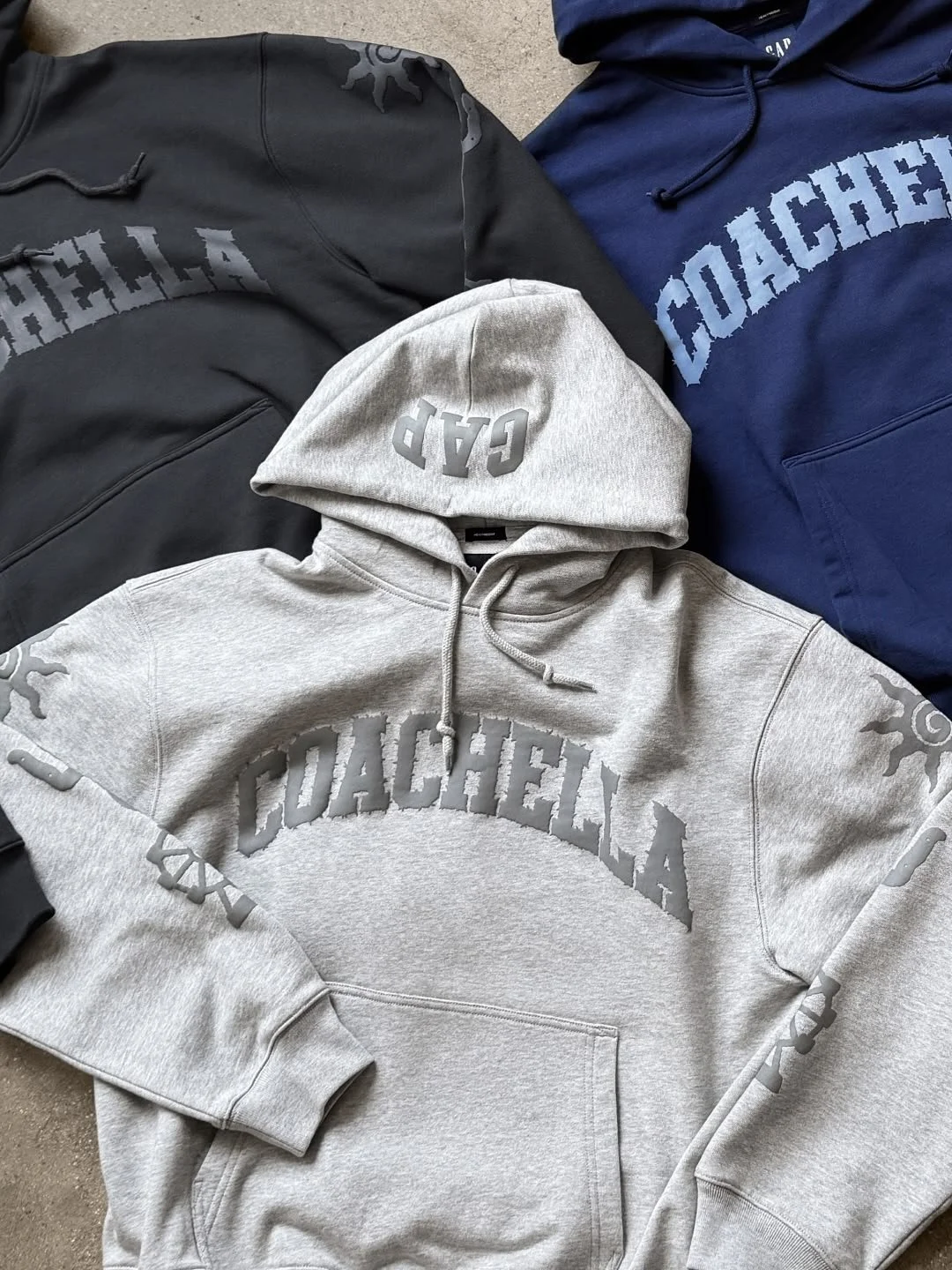
Credit: Gap
At the center of the activation was a limited-edition Gap x Coachella hoodie, available exclusively during both festival weekends, priced at $100. The hoodie came in a monochrome palette of black, navy, and Gap's signature heather grey, and could be personalized on-site with custom patches, hoodie drawstring bead sets, and collectible bag charms with new charms dropping each day.
The results spoke for themselves. The campaign generated over 1 million views, beating its 772,000 target by 35%, and Google Trends showed a breakout spike in searches for Gap of more than 5,000% over the weekend. Lines stretched past nearby merch stands at peak times.
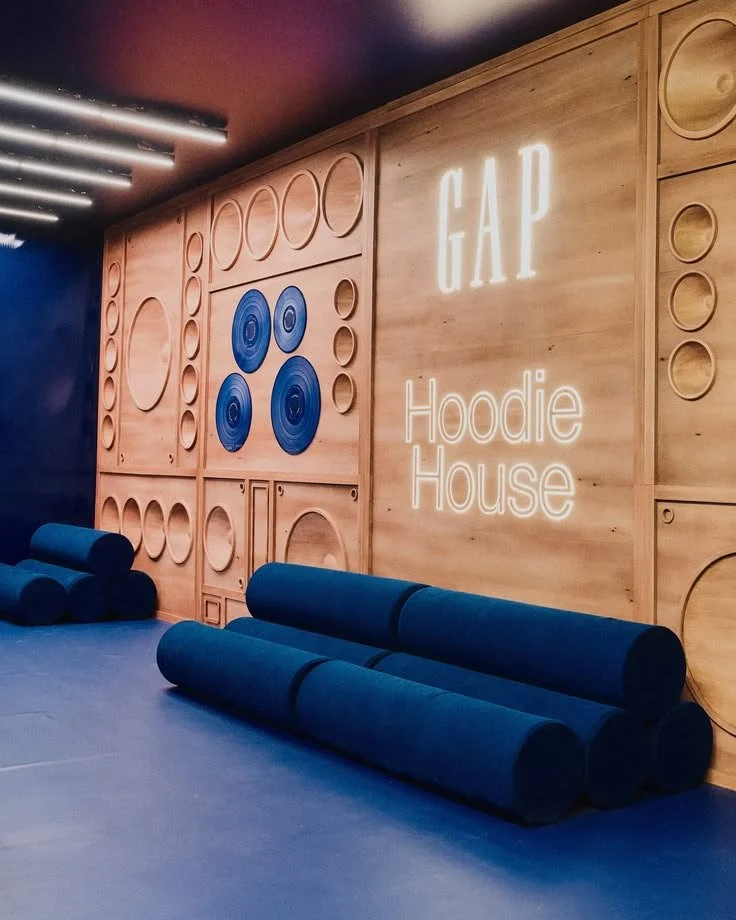
Credit: Corso Marketing Group
Gap's Hoodie House was a live case study in two trends Whitestone called earlier this year. Our Activated forecast predicted exactly this: products designed to be incomplete until someone engages with them, where the patch bar, the heat press, and the customization process are the experience — not an add-on to it. And the hoodie itself? A classic, durable piece built to be personalized, layered, and kept — straight out of our ReLife forecast, which identified modular accessories, swappable add-ons, and items designed to evolve with their owners as the future of branded product. Gap didn't just show up to Coachella. They showed up with the playbook.
Why did it work so well? As Buttermilk co-founder Jamie Ray put it: "What [Gap] has done very well is provide an installation that allows creators to actually participate, not just watch." Inside Hoodie House, attendees could choose their hoodie style and silhouette, then select patches, zip ornaments, and drawstring beads to make it entirely their own: a souvenir and a creative experience rolled into one. Gap's fashion writer Danya Issawi at The Cut called it "the smartest thing a brand could have done."
The Other Activations We Couldn't Stop Thinking About
Beyond the merch tent and Hoodie House, the activations at Coachella 2026 pushed experiential marketing into new territory.
Credit: @teamsabrina
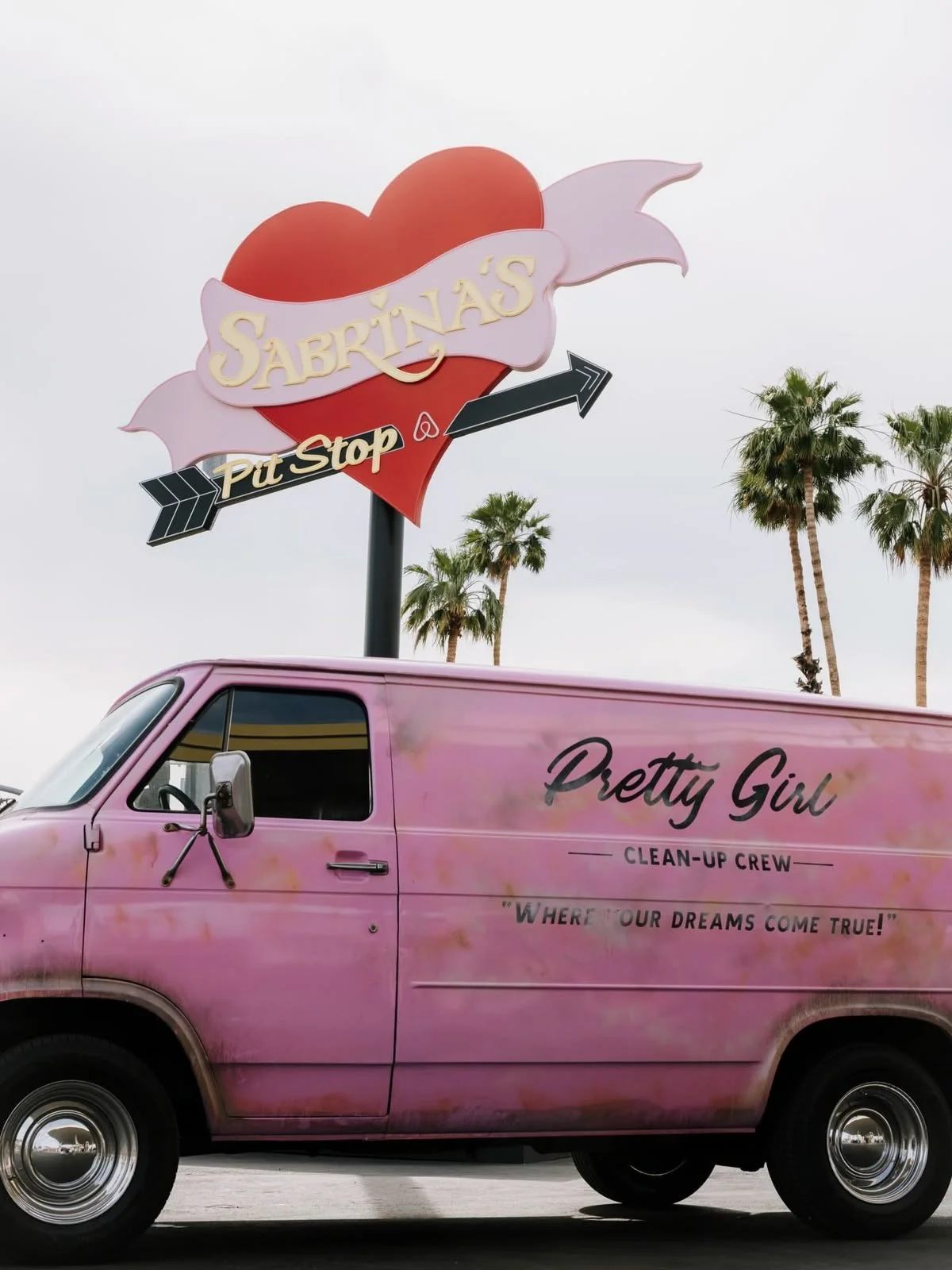
SABRINA CARPENTER & AIRBNB: SABRINA’S PIT STOP
The pop star partnered with Airbnb for Sabrina's Pit Stop, a pop-up open to the public April 10–12 in Indio. Full of Easter eggs and hidden gems, it featured vintage car photo ops, espresso-flavored slushies, and the Pretty Girl Clean-Up Crew van from her "House Tour" music video. Spots included express entry and guaranteed exclusive merch. It was entirely Sabrina's creative vision—which is exactly why it felt less like a brand activation and more like being let into her world.
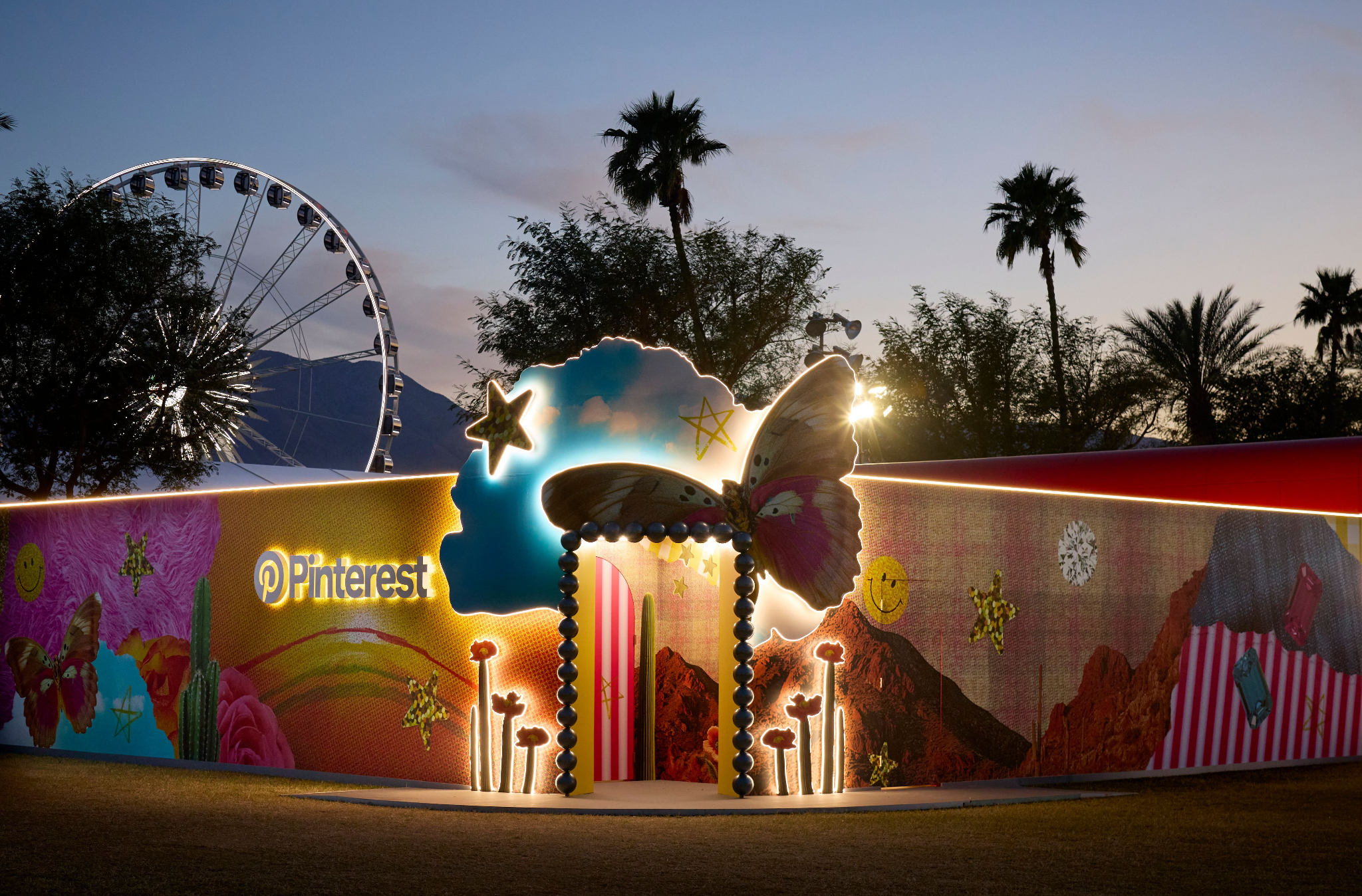
PINTEREST: THE PHONE-FREE EXPERIENCE
Pinterest introduced the festival's first phone-free experience, combining tactile activations like charm-making and beauty stations inspired by platform trends, translating digital insights into real-world interactions. For a platform built on visual inspiration, it was a perfectly on-brand move: put the phone down and actually live the aesthetic you've been saving.
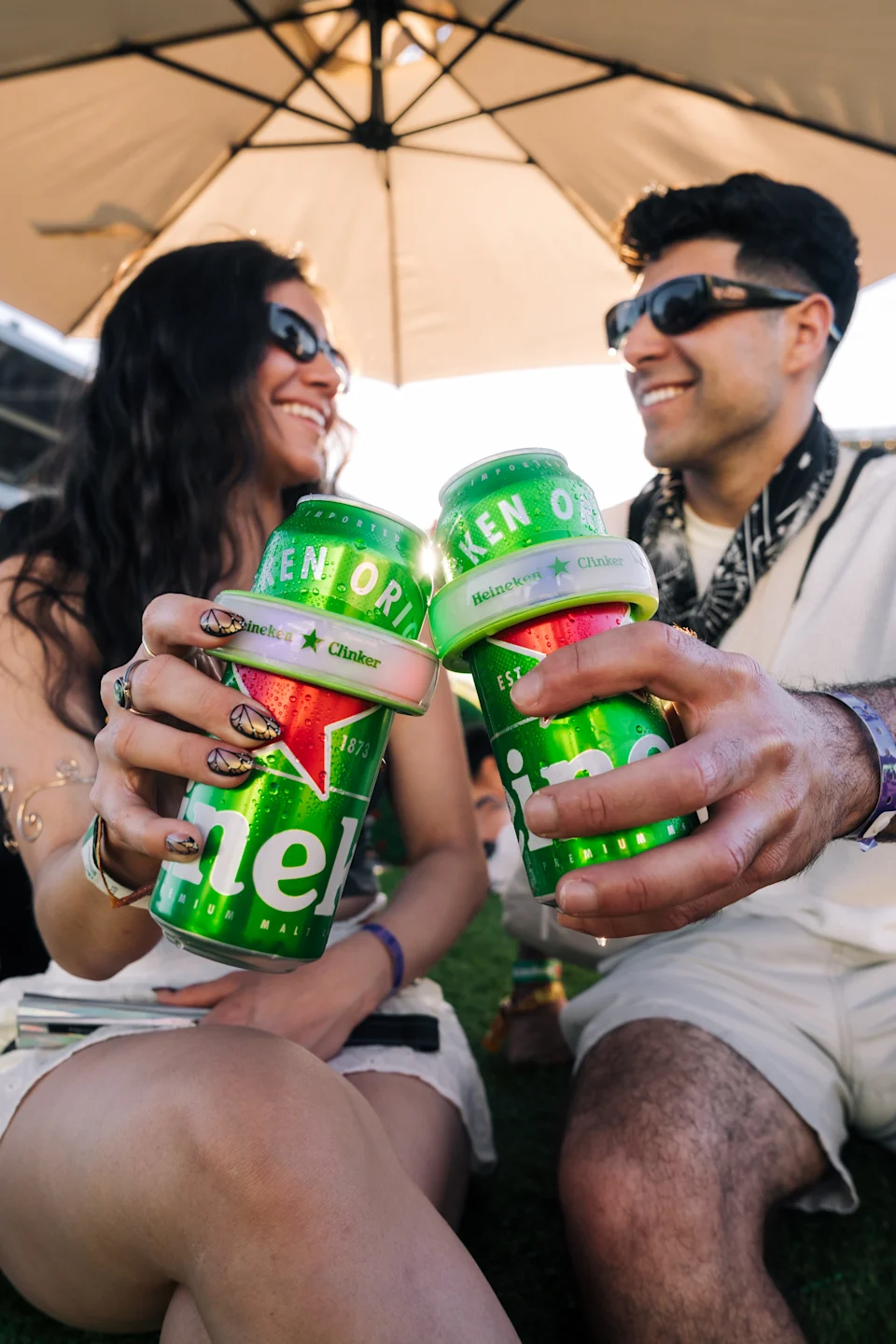
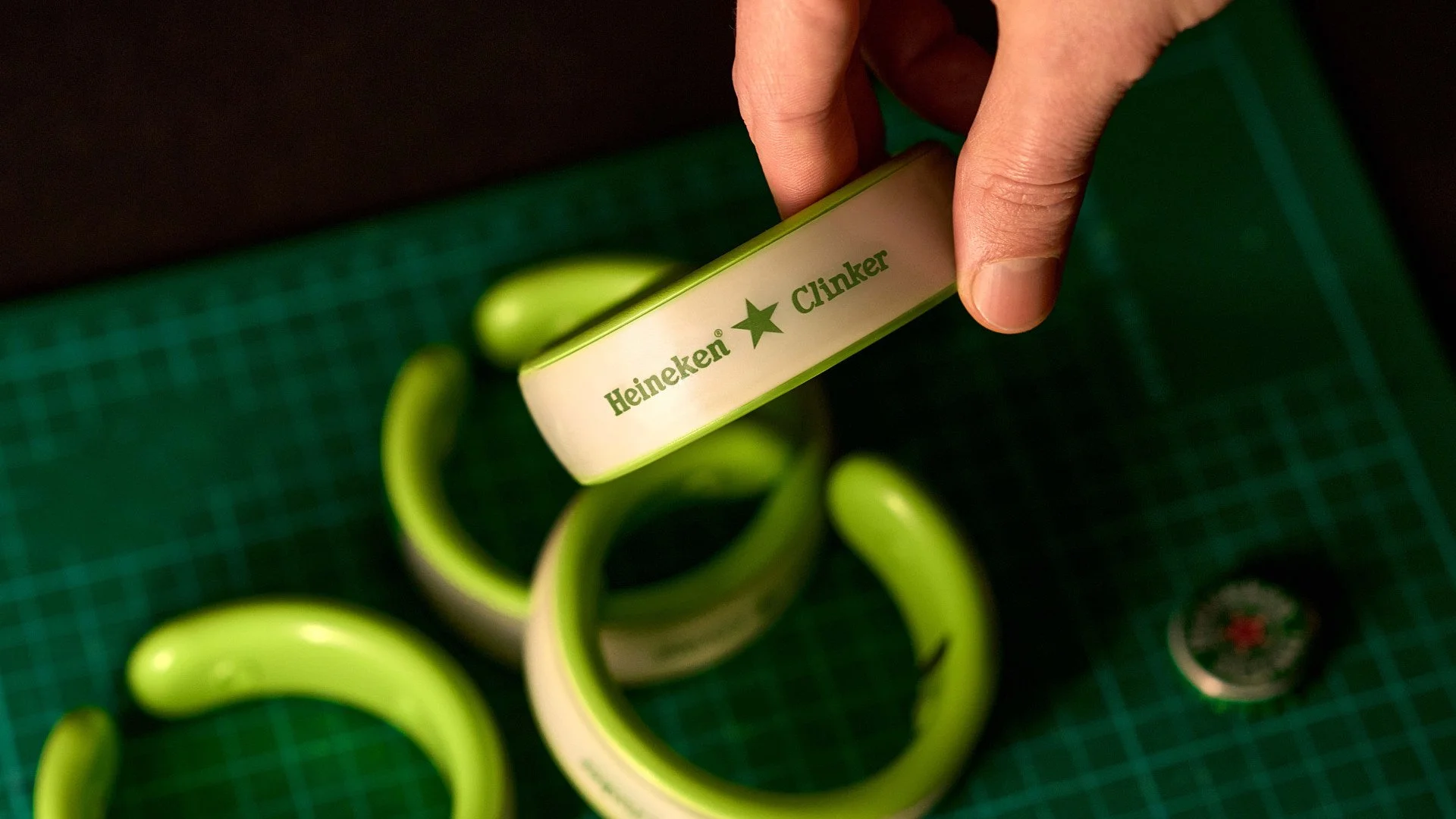
HEINEKEN: THE CLINKER
Heineken brought a tech-led approach with "The Clinker," a smartband that used attendees' music streaming data to match them with like-minded festivalgoers, lighting up when compatibility was detected.It’s shared taste as social currency.
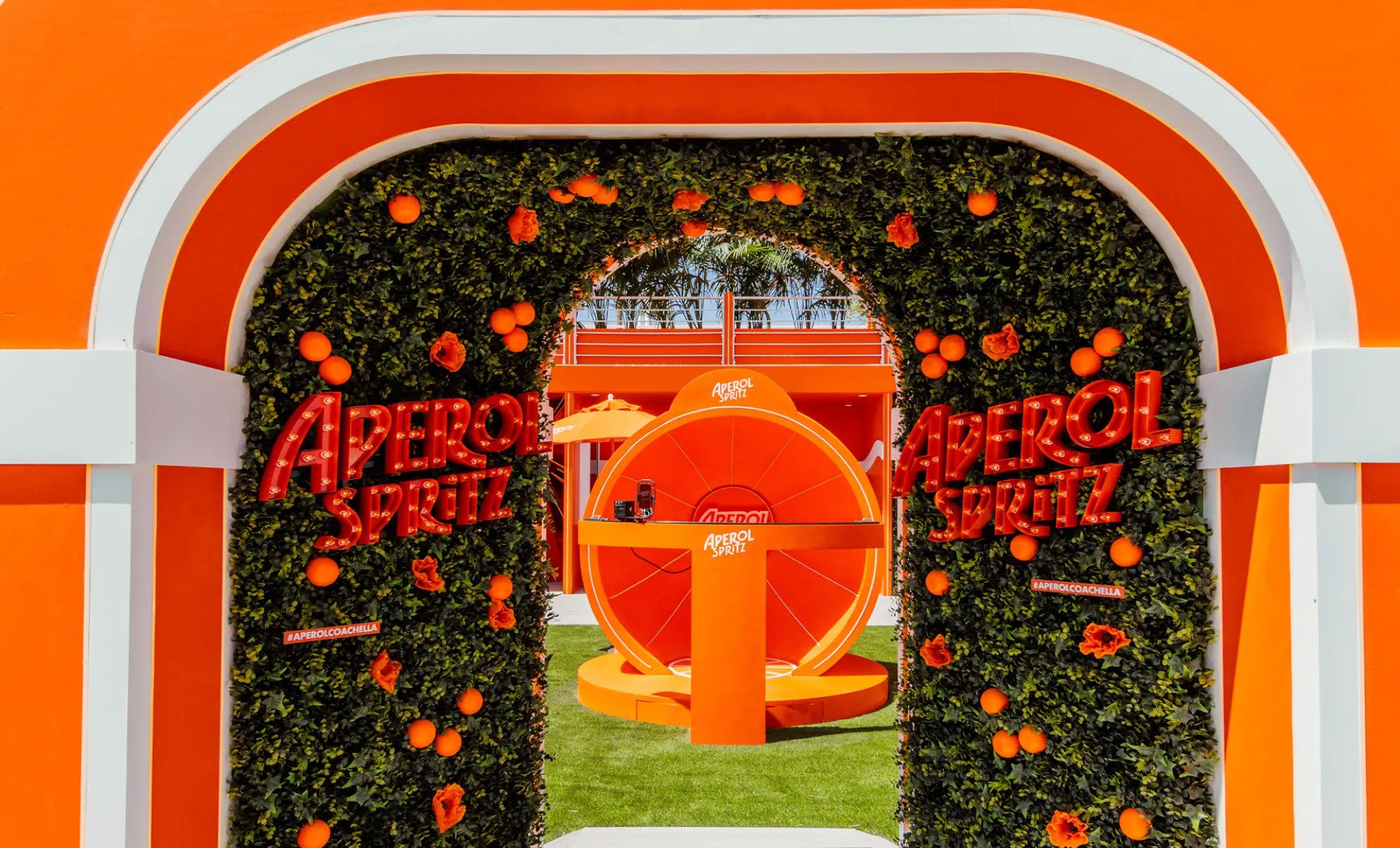
APEROL DAY CLUB
Aperol expanded beyond traditional sampling with a full-scale Day Club featuring live DJ sets, interactive styling zones, and a visually immersive environment, positioning itself as a social destination within the festival.
What It All Means for Merch
Coachella 2026 made something undeniable: the best merch moments weren't just about product, they were about participation. Gap gave people something to make. Skylrk gave people something to collect. Sabrina gave people something to discover. In every case, the merch was the experience, not an afterthought to it.
As more artists launch their own fashion brands, Bieber's success with Skylrk could provide a blueprint for a stronger integration between performers' fashion and music projects. And Gap's Hoodie House proves that the same logic applies to legacy brands looking to stay culturally relevant: show up with something people can do, not just something they can buy. The bar has been raised. We're taking notes.