
A Guide to Custom Decoration Methods
A concise reference to every major decoration technique used in retail merchandise, including what each method does, when to use it, and what to expect.
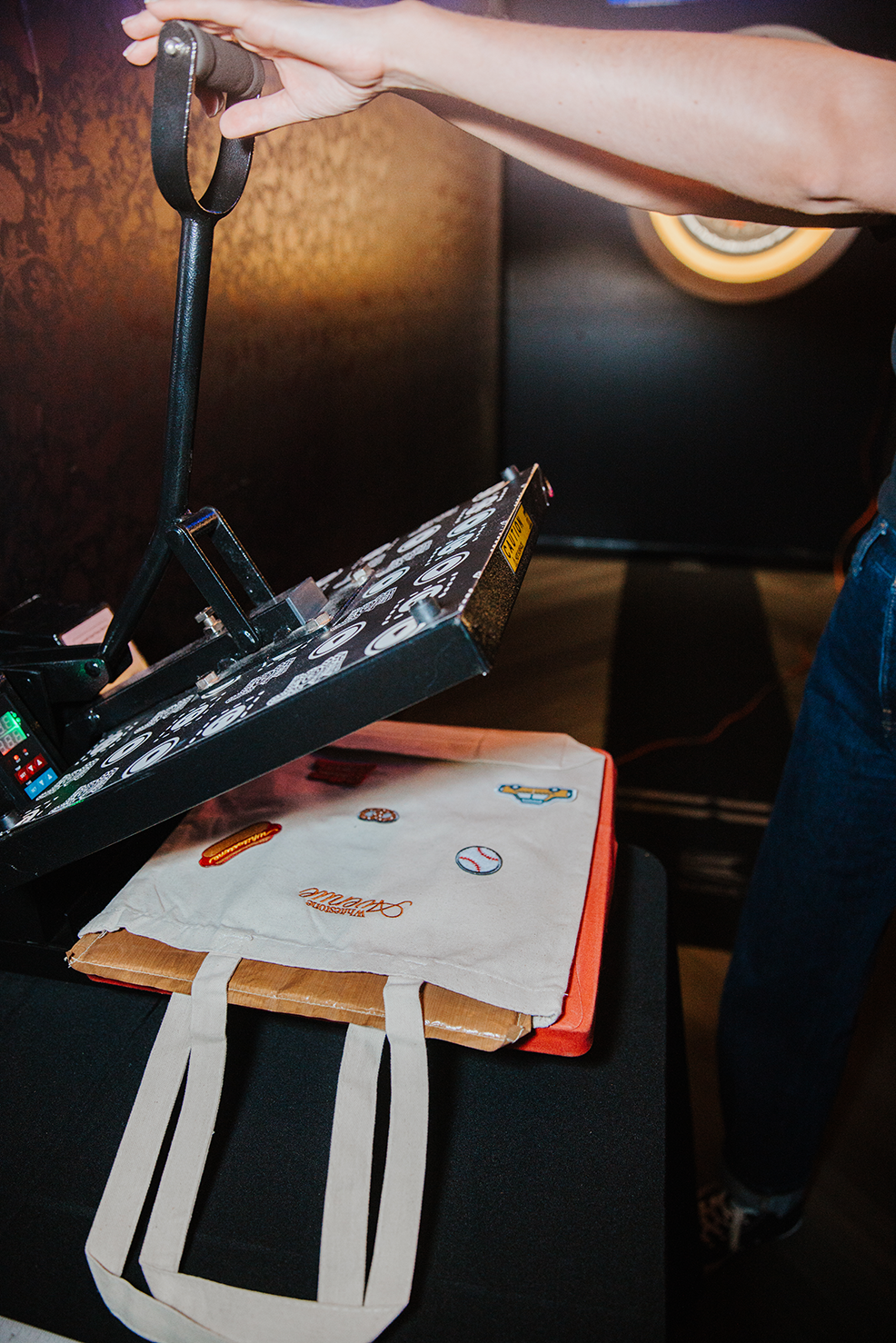
When a customer picks up a product, the decoration on it communicates your brand before a single word is read. The technique behind that decoration matters more than most buyers realize. It determines how the product looks on day one, how it holds up after years of use, and how premium it feels in someone’s hands.
This guide covers every major custom decoration method available for retail merchandise in 2026: what each technique is, when to use it, and what it’s best suited for. Whether you’re building a line of merchandise for your employees or creating giveaways for a major launch, understanding your decoration options is the foundation of making the right call.
-
The main custom decoration methods for retail are: screen printing (plastisol, water-based, discharge), embroidery (flat, puff, chenille), heat-applied finishes (foil, flock, sublimation), laser engraving, and tactile specialty methods (emboss, deboss, puff print, appliqué). The right choice depends on the product material, design complexity, and the feel and finish your brand requires.
Screen Printing
Screen printing is the most widely used decoration method for custom apparel, and for good reason. It delivers vibrant, durable results at volume, works across virtually every garment type, and scales efficiently as order quantities grow. For retail brands, it's the default choice for graphic-driven collections, seasonal drops, and any design where color intensity and longevity on the shelf matter. Where it really earns its place is in runs where consistency across units is non-negotiable, because every piece comes out the same.
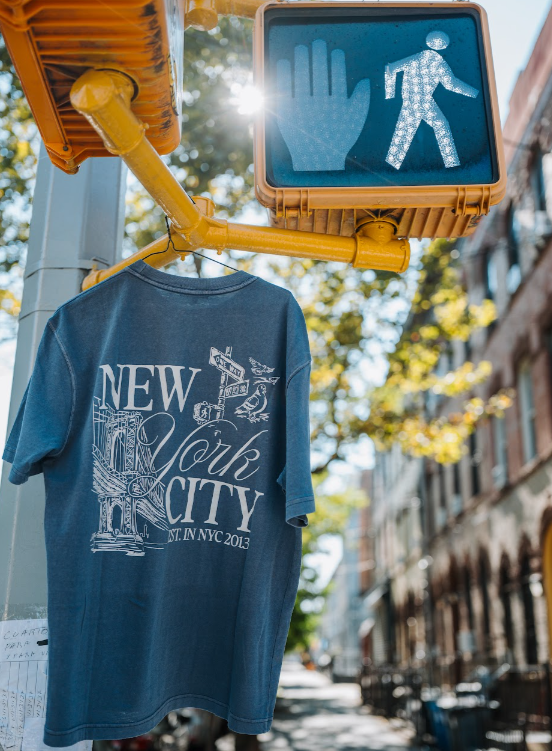
Screen printing allows for fully custom designs built for scale. For Whitestone Avenue, we created screen-printed t-shirts for our team that will last.
BEST FOR: Bold graphics, multi-color designs, light and dark garments, volume production
NOT IDEAL FOR: Very short runs, photographic full-color imagery on dark garments, or substrates other than soft goods
Embroidery
Embroidery is the process of stitching a design directly into fabric using thread. It is the gold standard for retail-quality decoration on headwear, apparel, and bags. Embroidery is durable, dimensional, and communicates premium brand value in a way that flat printing cannot match.
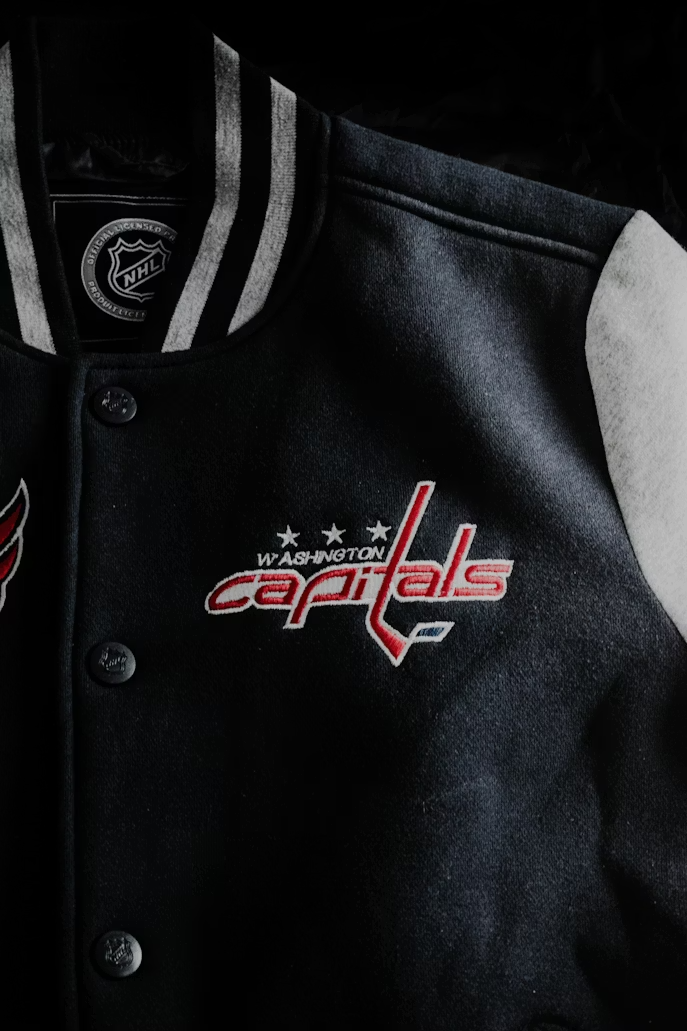
Embroidery is the benchmark for premium retail decoration—durable, tactile, and impossible to replicate with any print method.
Flat Embroidery
The standard. Clean, professional stitching that works on nearly any fabric. The default choice for logos, wordmarks, and brand marks on caps, bags, polos, and jackets.
Puff embroidery uses foam beneath the stitching to create a raised, three-dimensional design, which is a signature look in premium headwear.
Puff Embroidery
Foam placed beneath the stitching creates a raised, three-dimensional result. Especially popular on structured caps. Adds visual presence and a bold retail look. Best for block lettering and large logos.
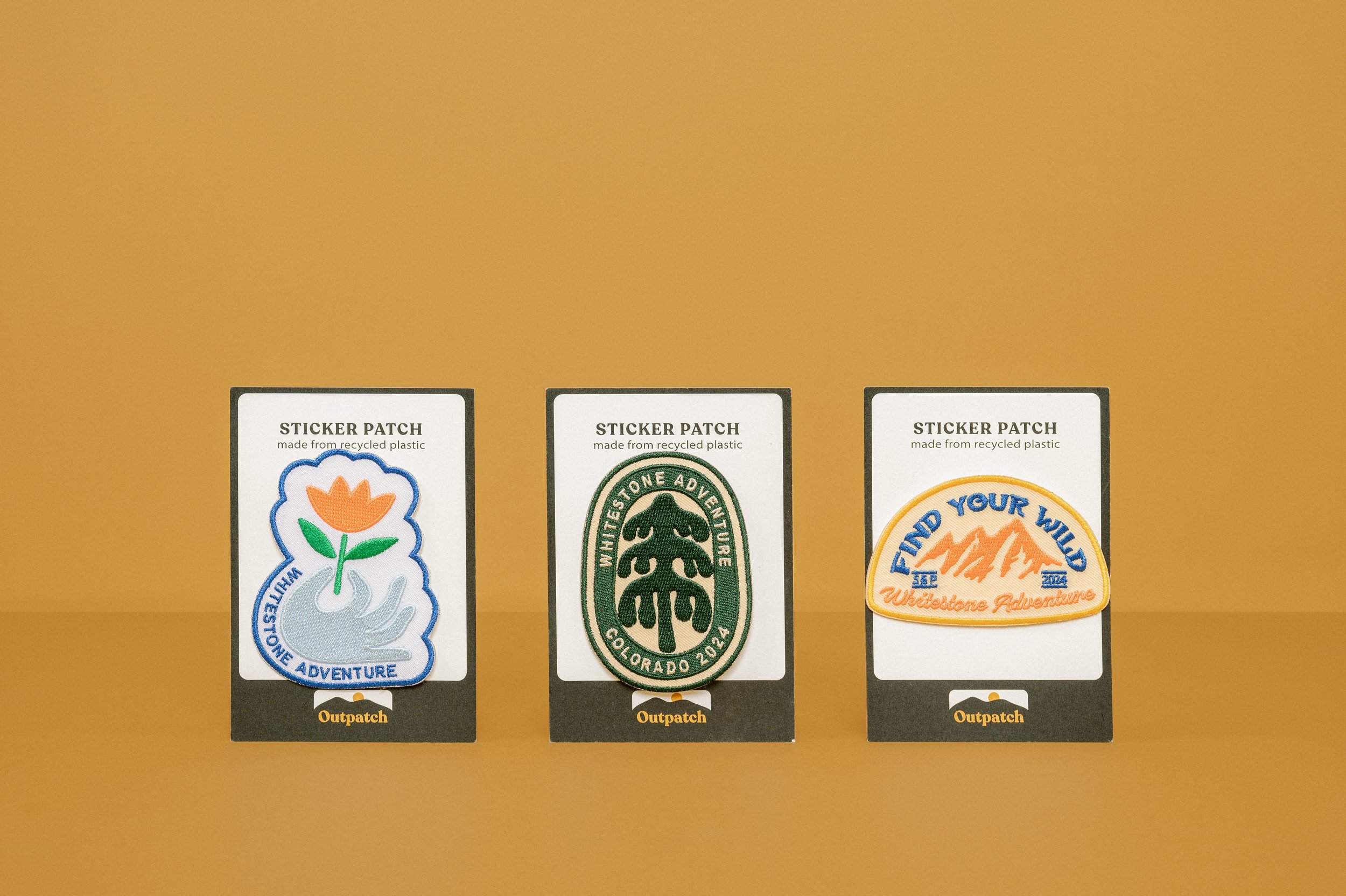
Embroidered patches (pictured) use thicker thread for bold graphics; whereas woven patches use finer thread for label-like detail and small text.
Patches
Embroidered patches: Thicker thread, durable, bold graphic feel. Applied by sewing, heat bonding, or iron-on.
Woven patches: Finer thread for greater detail and smaller text. Closer to a label in appearance and finish.
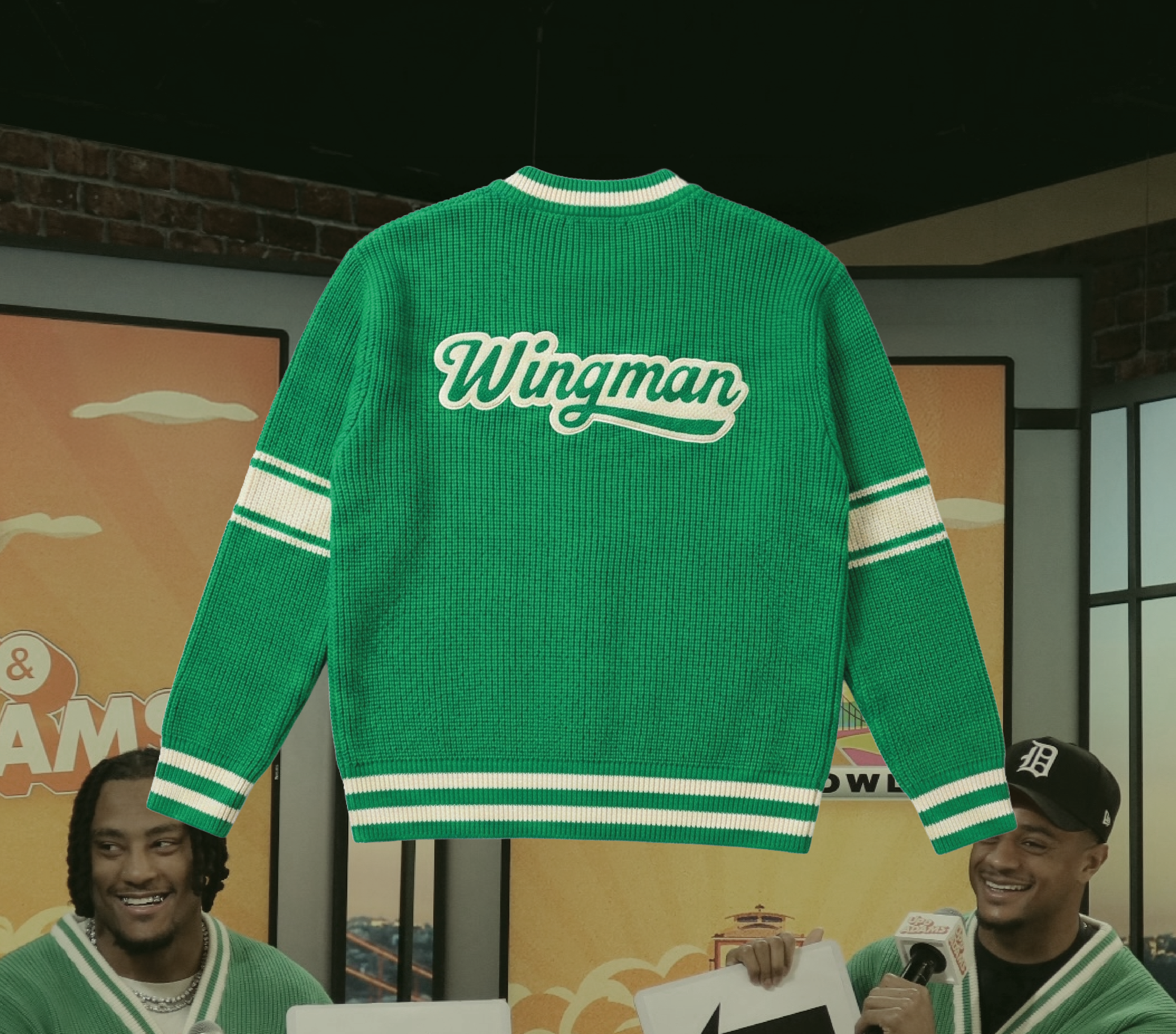
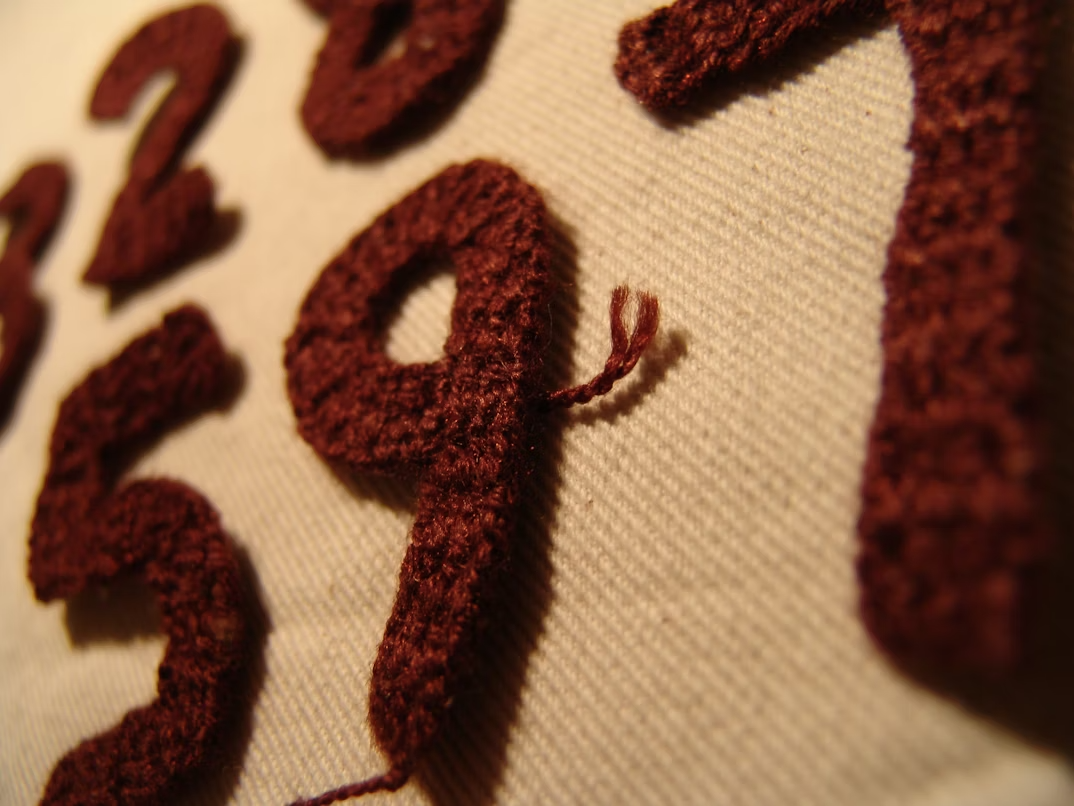
Chenille's looping stitch creates a thick, velvety texture: the signature of varsity, retro, and collegiate merchandise.
Chenille
A looping stitch creates a thick, velvety surface texture associated with varsity aesthetics. Strong visual presence. Used on headwear, outerwear, and large patch-format designs.
Specialty & Texture-Based Methods
Beyond standard screen printing, a range of specialty techniques add texture, dimension, and premium character to decorated merchandise. These methods are frequently used in combination with standard screen printing or embroidery.
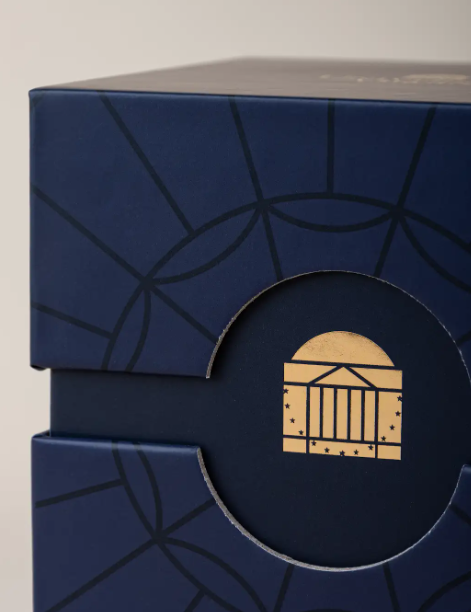
Foil printing delivers a reflective, metallic finish that elevates limited-edition drops and premium retail pieces.
Foil Printing
A metallic or holographic foil sheet is heat-pressed over a screen-printed adhesive. Pulls off to leave a reflective finish in the shape of the design. Available in gold, silver, holographic, rose gold, and custom colors. Photographs exceptionally well.
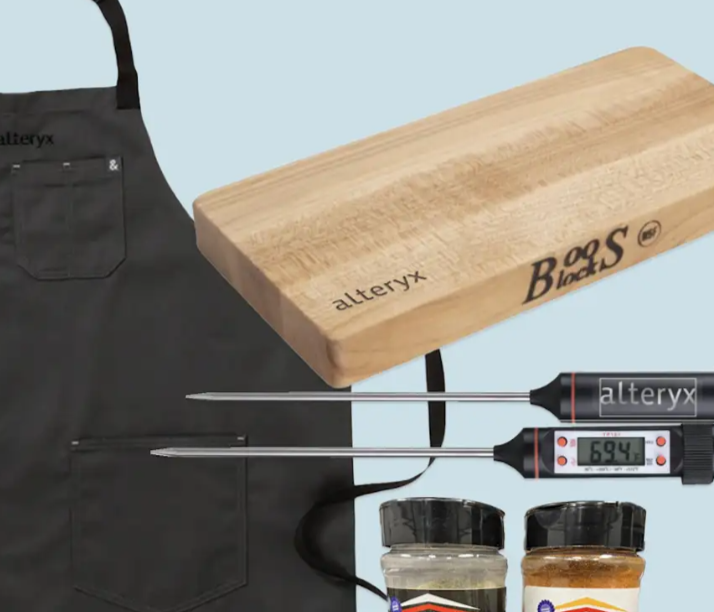
Laser etching precisely removes material to leave a permanent, distressed, or worn-look design with no ink required.
Laser Etching
A laser precisely etches artwork into the garment or product surface, removing material without cutting through it. Produces a clean, worn, or distressed appearance. Also used on drinkware, leather, and hard goods. Not available on white apparel or all fabric types.
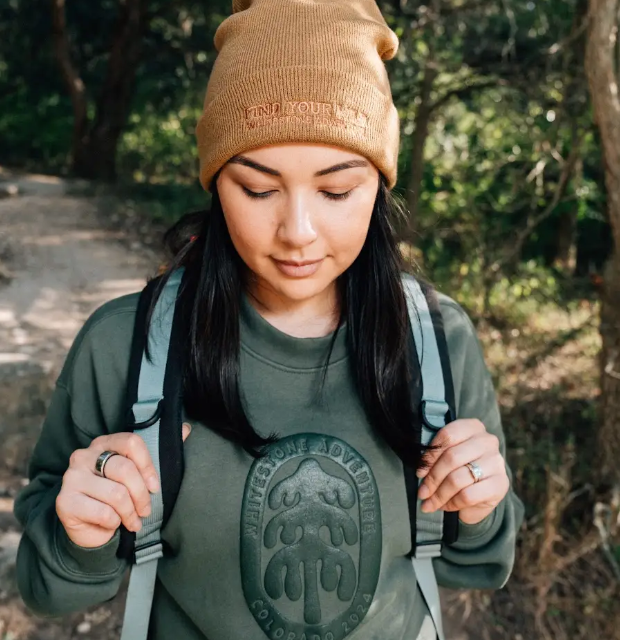
Great on sweatshirts and heavier garments, puff printing slightly raises from the t-shirt like a freshly baked loaf of bread. Perfect for adding some dimension to your design.
Puff Printing
A heat-activated additive mixed into screen-printing ink expands when cured, raising the design slightly from the garment surface. Adds dimension to typography and graphic logos at lower cost than embroidery.
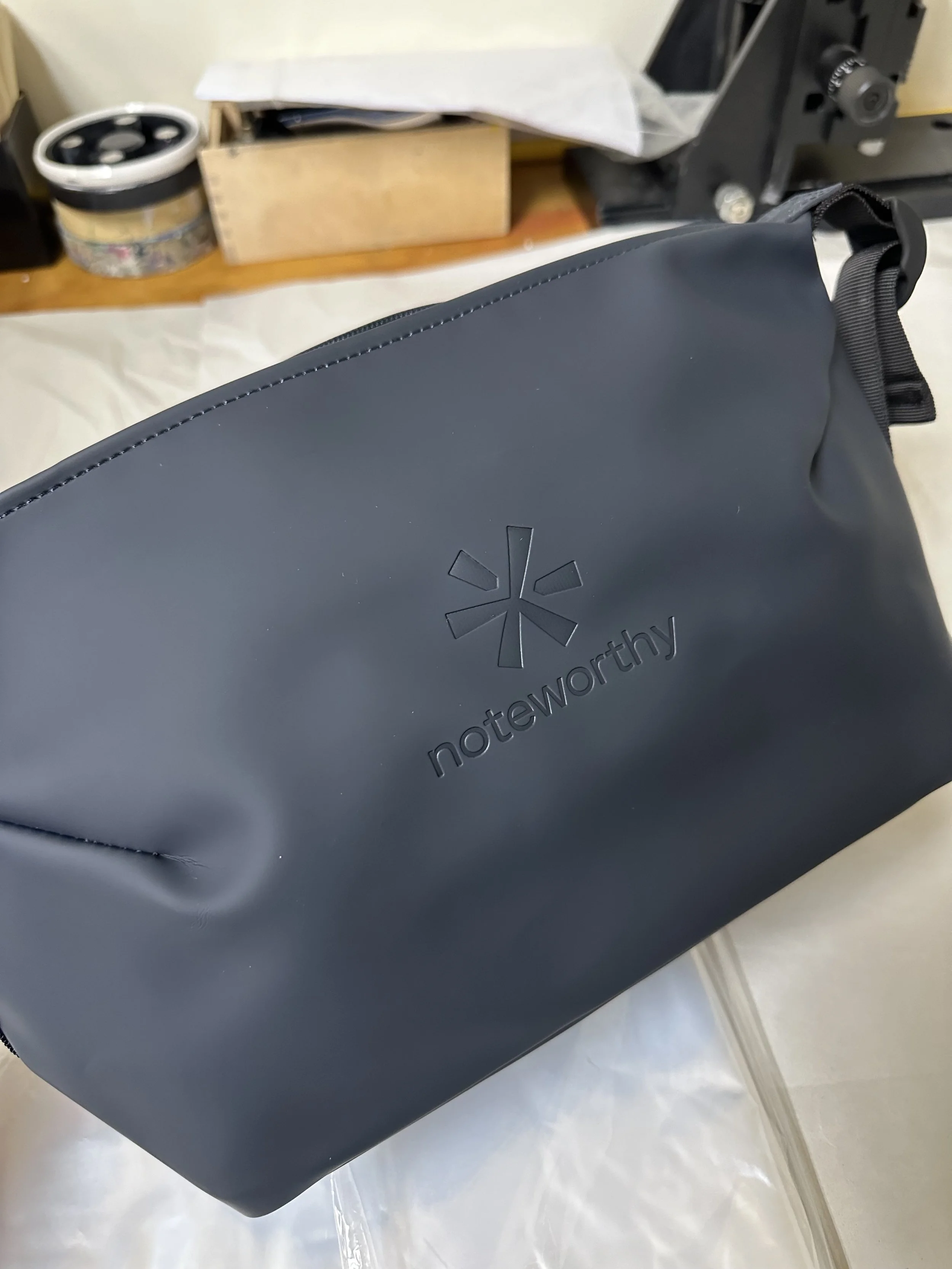
Embossing and debossing create a clean, ink-free brand impression—the hallmark of luxury leather goods and premium bag accessories.
Emboss & Deboss
Embossing raises a design above the surface; debossing presses it in. No ink, purely tactile. Used on leather and polyurethane panels, bag components, hat bills, and packaging for a clean, luxury brand impression.
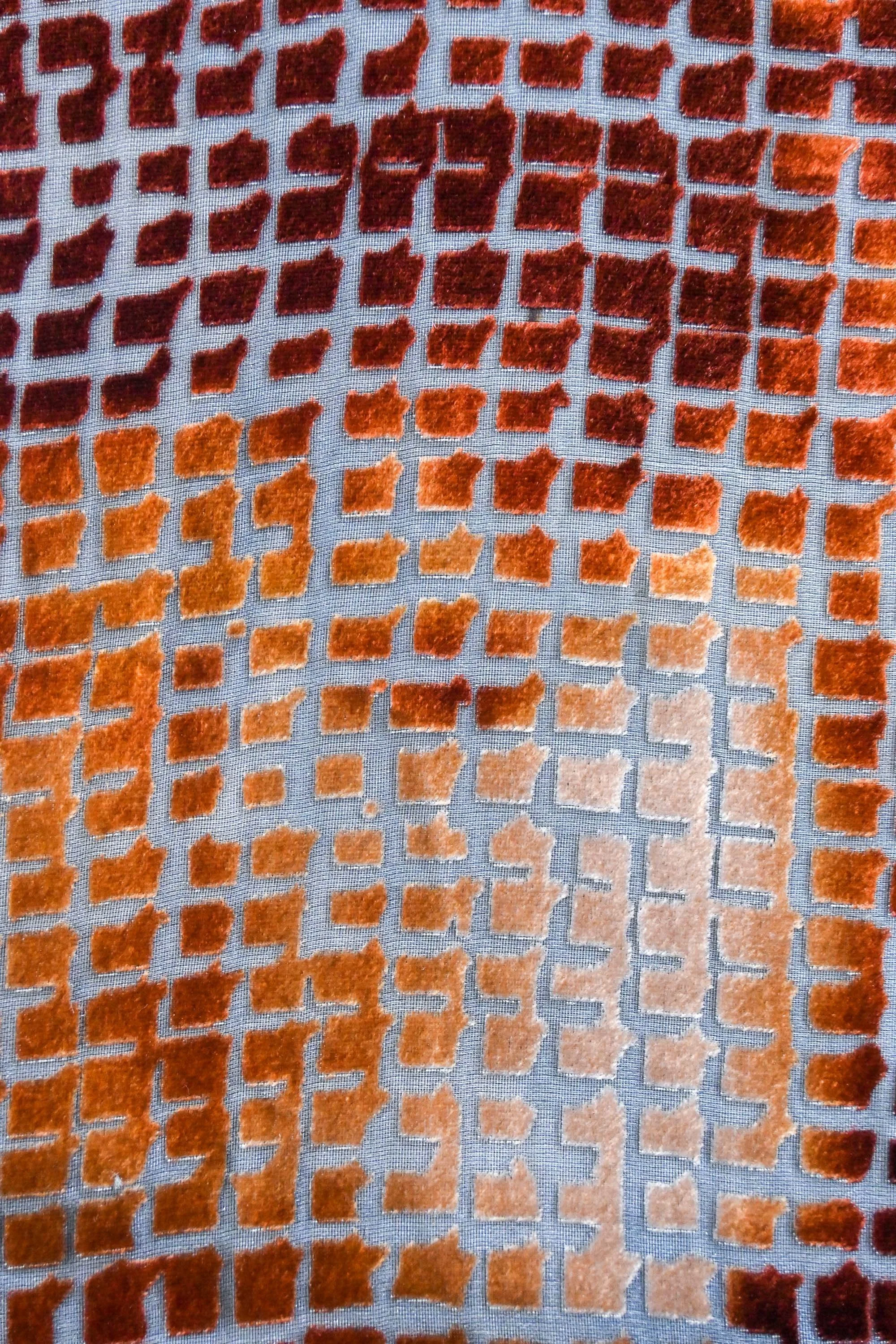
Flock Printing
Tiny fiber particles applied over adhesive create a raised, velvety, suede-like surface. Distinctive tactile quality unlike any other print method. Used as an accent finish or full design element on premium goods.
Dye Sublimation
Heat converts dye into a gas that bonds directly into polyester fabric fibers. The result is full-color, edge-to-edge print that is permanently part of the material; it will not crack, peel, or fade. Unlimited colors at no added cost per color. Requires a white or light polyester substrate.
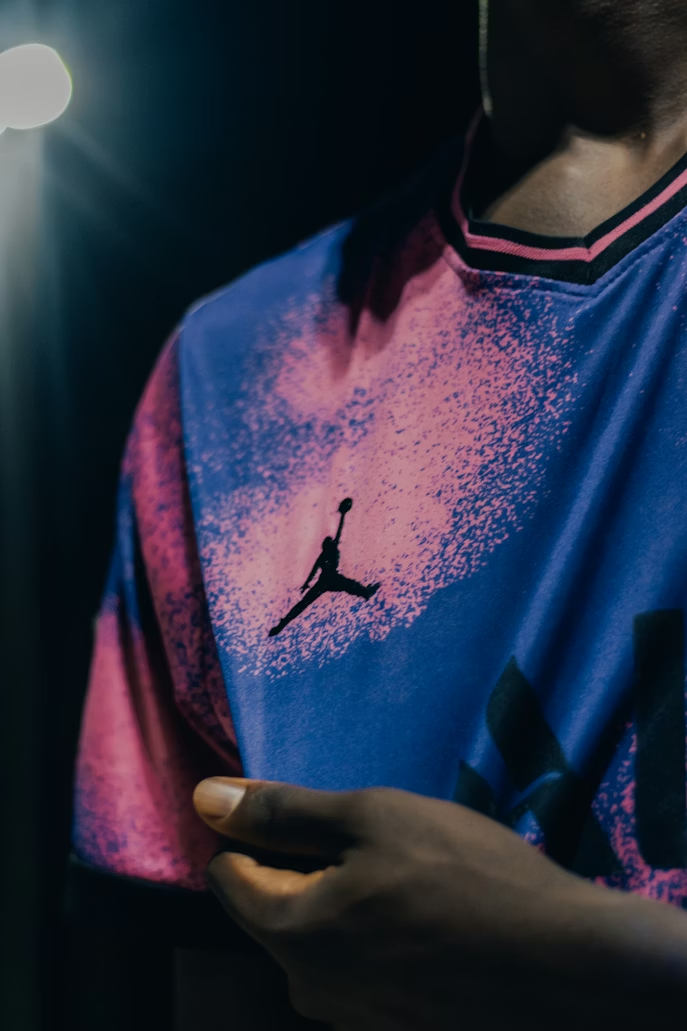
Dye sublimation bonds color directly into polyester fibers for edge-to-edge, full-color prints that will never crack, peel, or fade.
BEST FOR: All-over prints, performance apparel, sublimated headwear, coated drinkware
KEY LIMITATION: Polyester or poly-coated substrate only. Color vibrancy drops significantly on non-white bases
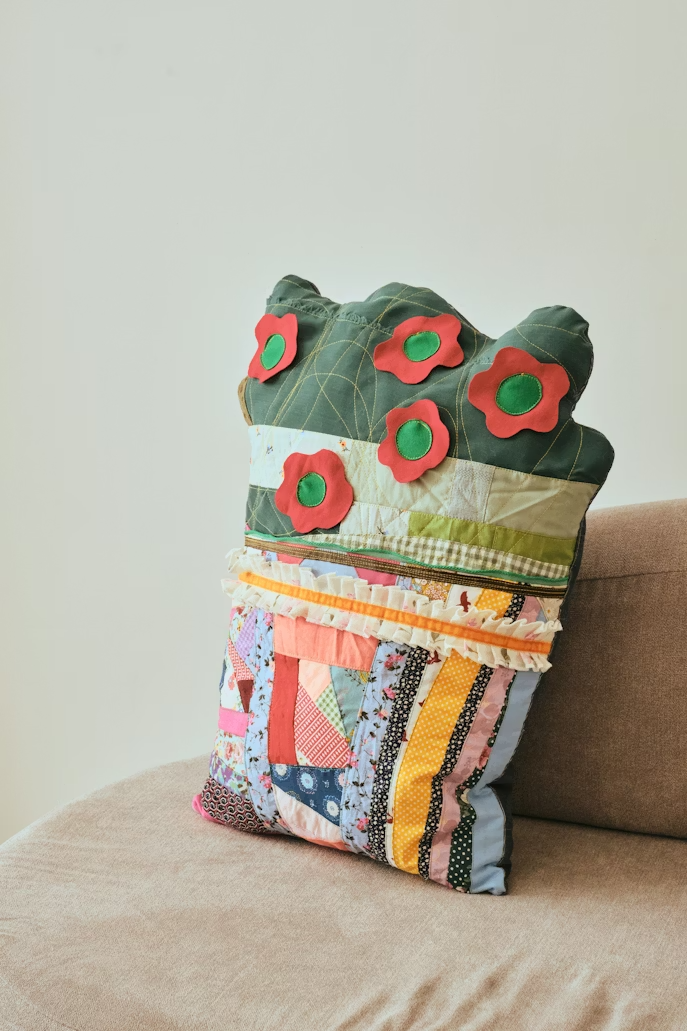
Appliqué stitches a separate piece of fabric onto a base product, creating layered, dimensional designs often combined with embroidery.
Appliqué
A separate piece of cut fabric is stitched onto a base product, creating a layered, dimensional effect. Often combined with embroidery for mixed-texture designs. Common on jackets, bags, caps, and knitwear. Fabrics include twill, felt, leather, and chenille.
Quick Reference: Decoration by Product
Screen Printing (all types), Puff Embroidery, Embroidered Patch, Appliqué
PRODUCT TYPE
RECCOMENDED DECORATION METHODS
Caps & Hats
3D/Puff Embroidery, Flat Embroidery, Chenille, Foil Imprint, Sublimation, Laser Cut Twill Appliqué
T-Shirts & Tops
Plastisol, Water-Based, Discharge, Foil, Flock, Puff Print, Embroidery, Appliqué
Hoodies & Fleeces
Screen Printing (all types), Puff Embroidery, Embroidered Patch, Appliqué
Jackets & Outerwear
Embroidery, Woven Patch, Chenille, Appliqué, Laser Etching, Leather Patch
Totes & Bags
Screen Printing, Embroidery, Deboss, Leather Patch, Rubber Patch, Foil Stamp, Tonal Embroidery
Backpacks & Duffles
Embroidered Patch, Rubber Patch, Metal Emblem, Tonal Embroidery, Deboss, Foil Stamp
Tumblers & Mugs
Laser Engraving, Full Color Imprint, Foil Stamp, Color-Changing, Lid Imprint
Water Bottles
Laser Engraving, Full Color Imprint, Sublimation (poly), Foil Stamp
Umbrellas
Full Color Panel Print, Emboss Button, Laser Engraving (handle)
Common Questions
-
Embroidery. The stitching is physically woven into the fabric and won't crack, fade, or peel. For hard goods, laser engraving is equally permanent as it removes material rather than applying a coating.
-
Water-based and discharge inks — both penetrate fabric fibers rather than sitting on top. Discharge ink on dark garments has virtually zero feel once washed, making it the top choice for premium retail apparel.
-
Embroidered patches use thicker thread for a bold, raised look. Woven patches use finer thread for greater detail and a flatter, label-like finish. Both can be sewn, heat-bonded, or iron-on applied.
-
Yes. Simulated process printing uses 7–10 opaque ink colors with halftone blending to achieve near-photographic results on dark and colored garments. For polyester products, sublimation achieves true full-color output on light substrates.
-
Laser engraving (metal and coated surfaces), full color imprint (ceramic and plastic), foil stamp (metallic single-color), and color-changing thermochromic imprint (coated ceramics). Sublimation works on poly-coated drinkware.
Up next in this series:
How to think about decorating Whitestone's core travel categories: bags, luggage, and pouches.