
ReLife: Here to Stay
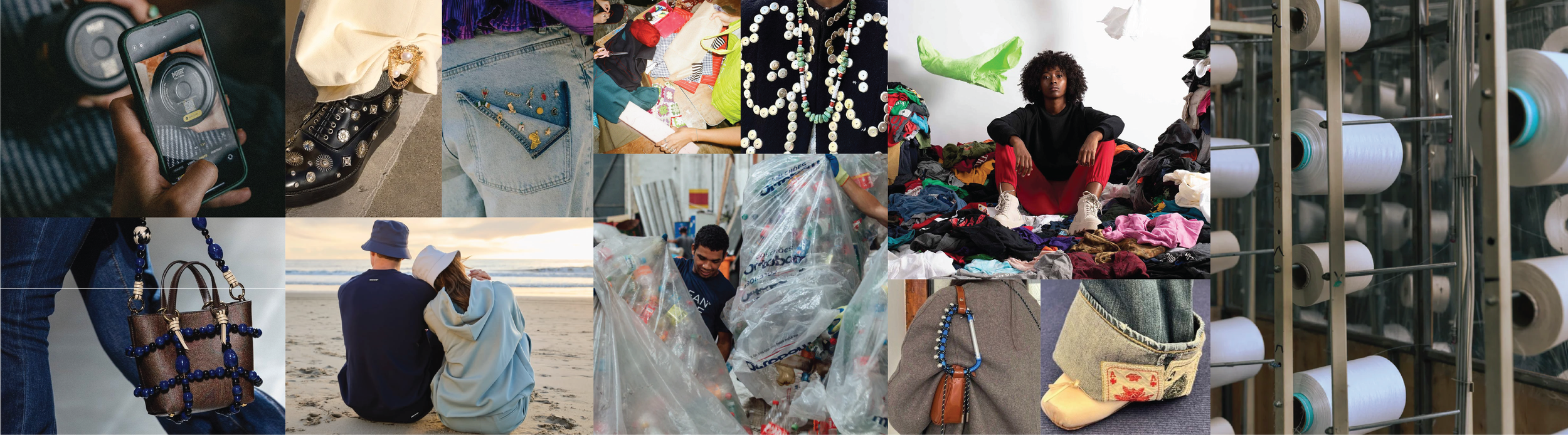
Brands adopting ReLife are setting the stage, proving that sustainability and on-trend design can go hand-in-hand.
First identified in 2025, the ReLife movement continues to accelerate as sustainability shifts from aspiration to expectation. Consumers have moved past surface-level claims. They demand accountability, transparency, and brands that actively give back.
ReLife reflects a belief that nothing is wasted and everything has potential. Products are designed with second lives in mind. Materials are regenerated, repurposed, and reimagined—not hidden or ignored.
In 2026, ReLife expands through innovation. Coffee grounds transform into textiles. Recycled plastics become durable yarns. Upcycled leather, deadstock fabrics, and reclaimed fibers gain elevation through thoughtful design. Imperfections signal progress, not flaws.
Creative reuse drives this evolution. Pins, brooches, patches, embroidery, and layered applications extend product life without excess production. Mini clip-ons, modular accessories, and thoughtful add-ons refresh items people already own—adding function, personality, and longevity.
Design becomes a tool for renewal instead of replacement.
For Gen Z and emerging generations, sustainability serves as foundation rather than feature. Carbon-neutral initiatives, ethical sourcing, and give-back programs no longer differentiate brands. They're baseline requirements.
ReLife: Here to Stay reinforces a simple truth: Sustainability shapes the future of how products are made, valued, and kept in rotation.
Materials That Tell a Story
Regenerative materials take center stage in ReLife 2.0. While recycling still plays a part, these materials are actively designed to improve the systems they came from.
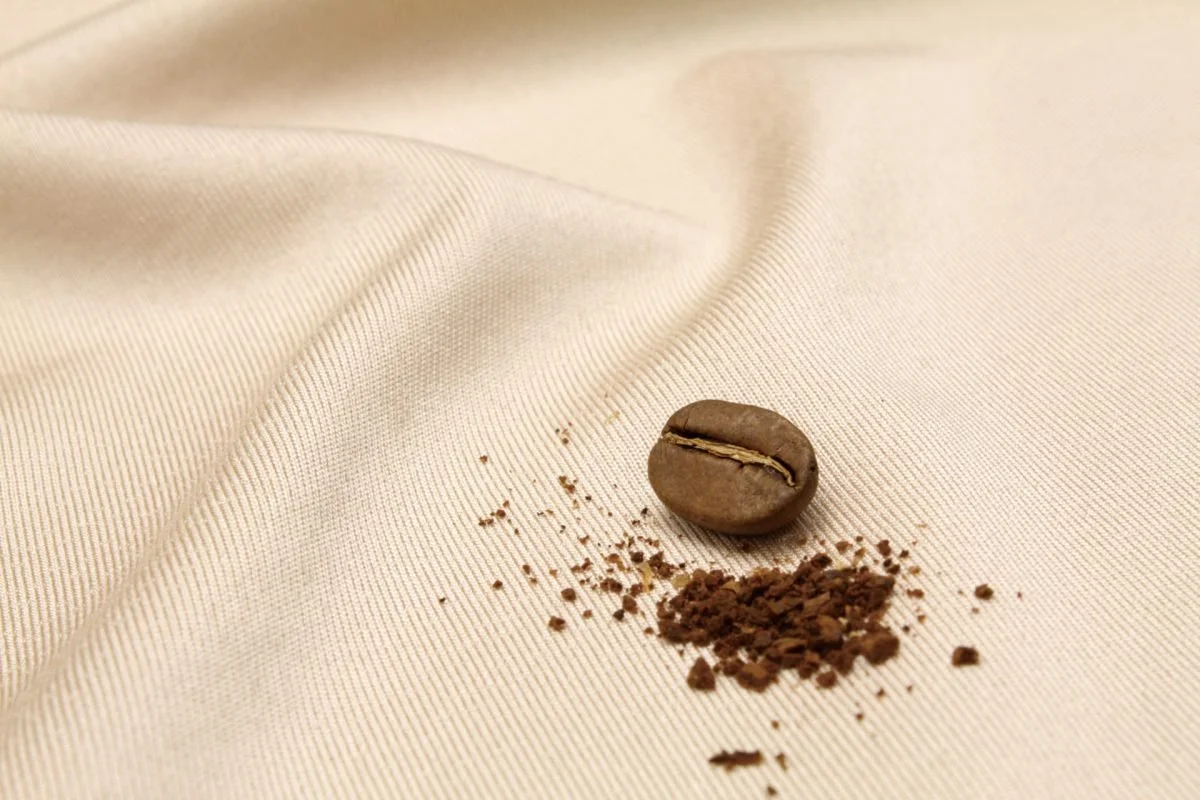
Coffee grounds reimagined as performance fabric. Sustainable innovation that improves with every wear.
Coffee Waste Becomes Fabric
Spent coffee grounds, once destined for landfills, now transform into performance textiles. The process extracts oils and compounds to create odor-resistant, quick-dry fabrics with natural UV protection. Brands pioneering this space are proving waste streams can become premium materials.
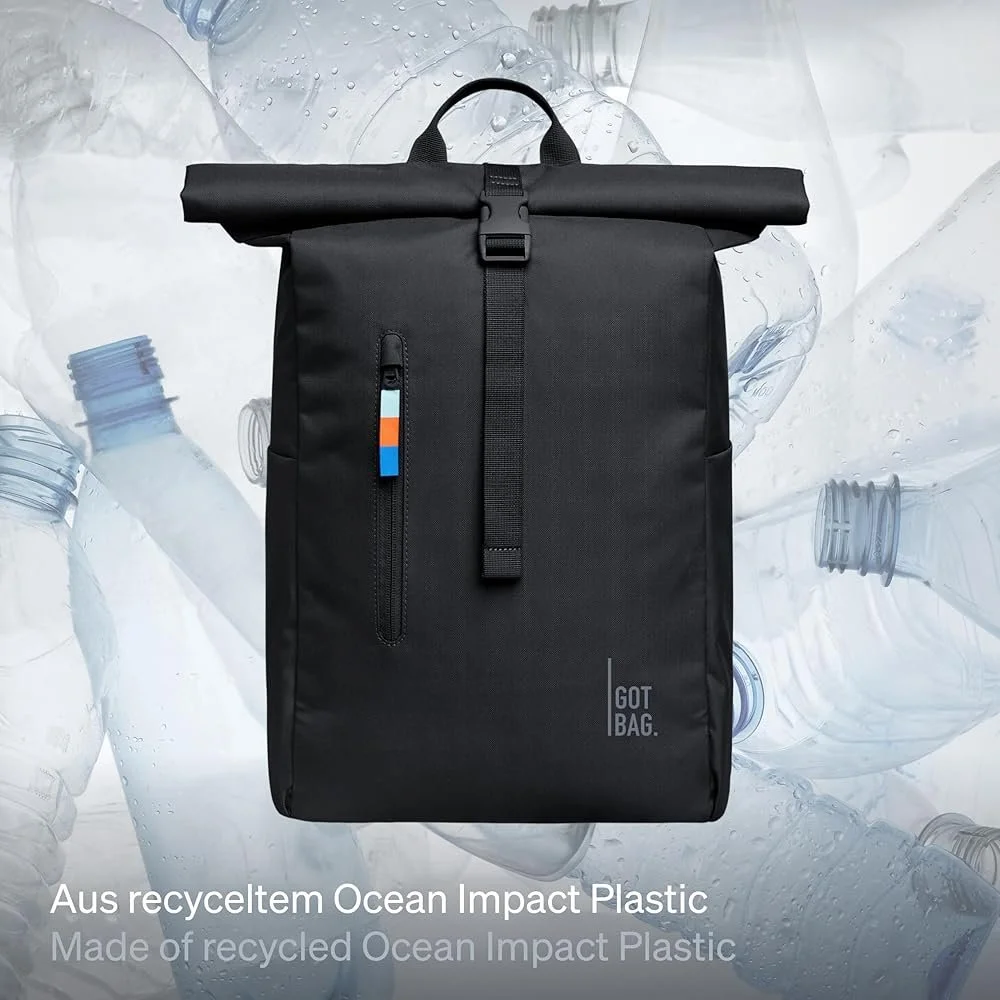
Plastic waste is collected from oceans and woven into premium, livable materials. GOT Bag is revolutionizing how functional bags look and feel.
Ocean Plastic Gains New Purpose
Recycled ocean plastic has evolved beyond novelty. Advanced processing creates durable yarns suitable for everything from bags to outerwear. Companies like Got Bag prove that cleaning oceans can yield functional, stylish products that don't compromise on design.
The material carries visible authenticity. Variations in color and texture become proof of origin: evidence that something discarded got reclaimed.
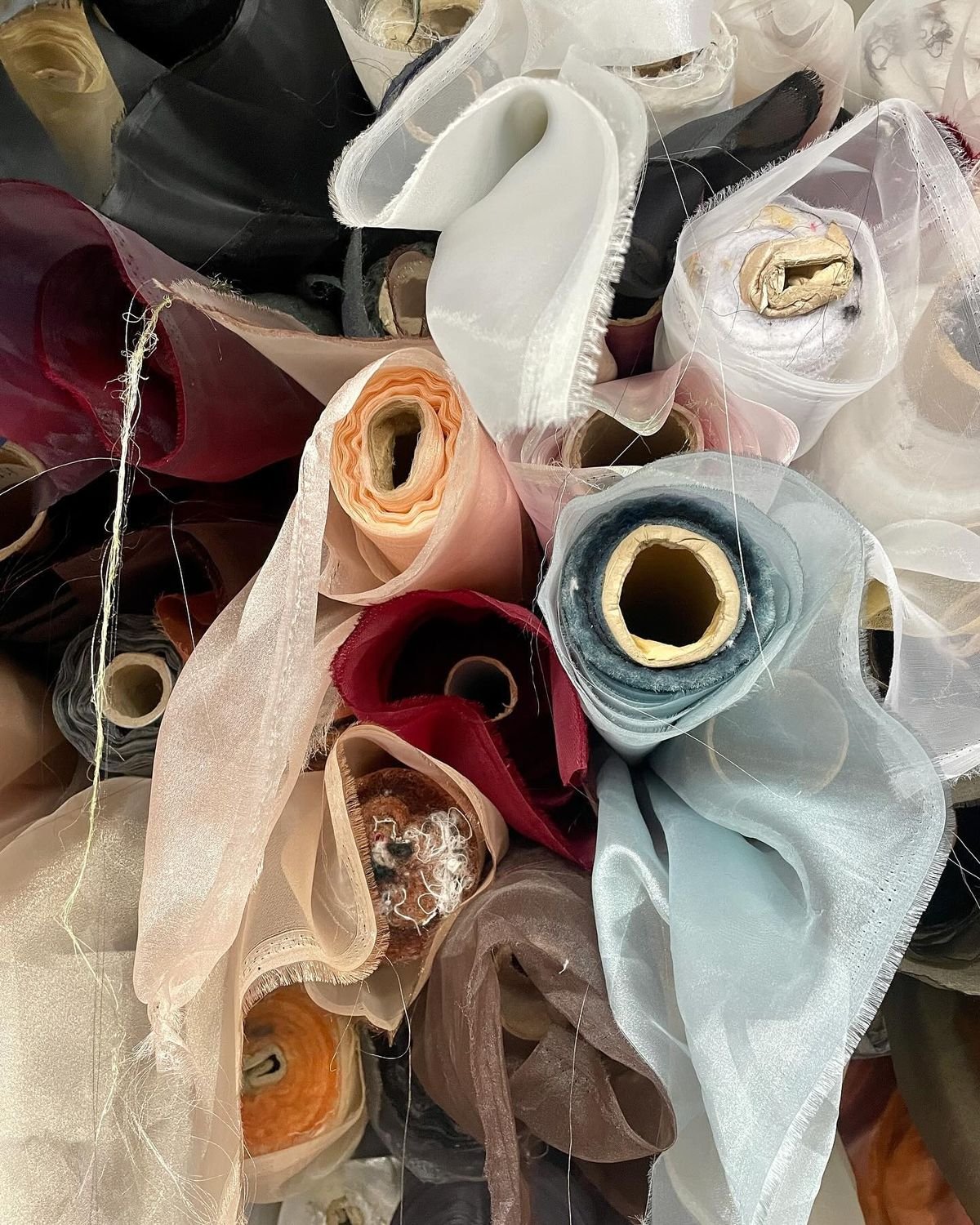
Deadstock fabrics are the coveted material for eco-conscious designers to create limited edition pieces that honor materials too good to waste.
Deadstock and Upcycled Fabrics Find Elevation
Luxury fashion's excess inventory becomes opportunity. High-quality deadstock fabrics get repurposed into limited-edition pieces. Leather scraps transform into patchwork designs. Vintage denim becomes premium reconstructed jackets.
These materials carry history. Imperfections become character. The story of transformation adds value that new materials can't replicate.
Creative Reuse: Extending Product Life
ReLife 2.0 recognizes that sustainability goes beyond how a product was made. It also matters how long they last and how they evolve with their owners.
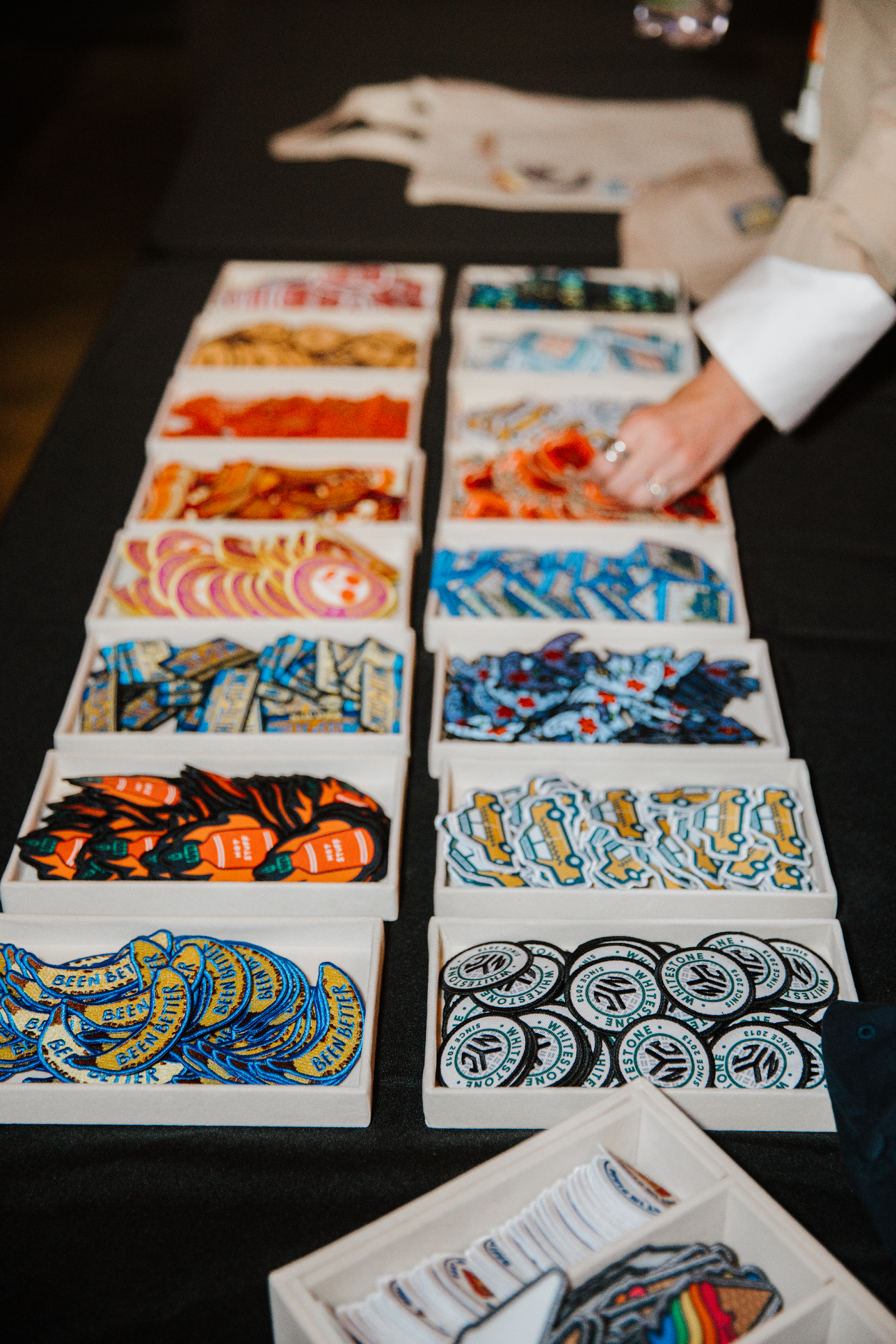
Modular accessories extend product life. Customization without excess production.
Modular Design for Ongoing Customization
Removable patches, swappable pins, and clip-on accessories transform static products into evolving canvases. A backpack gains new personality with each addition. A jacket refreshes without replacement.
This approach reduces consumption while increasing emotional attachment. People invest in pieces they can modify, personalize, and make truly their own.
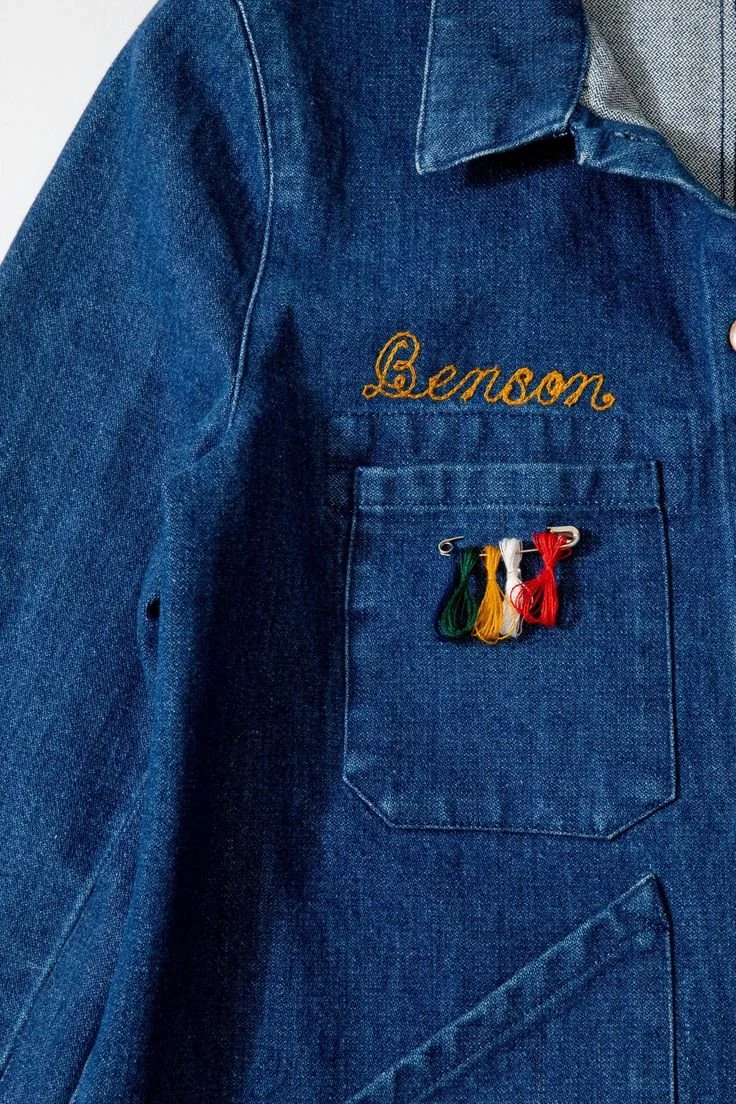
Embroidery transforms repair into renewal. A vintage denim jacket gains new life through personalized stitching and playful pins. Proof that the best pieces evolve with you.
Embroidery and Chain Stitching as Renewal
Chain stitching adds personality and extends garment life. A plain tote becomes personalized. A worn jacket gains new character. The process feels intentional with a visible craft that honors the original item while making it feel new.
Embroidery transforms repair into expression. Patching holes becomes an opportunity for creative addition rather than invisible mending.
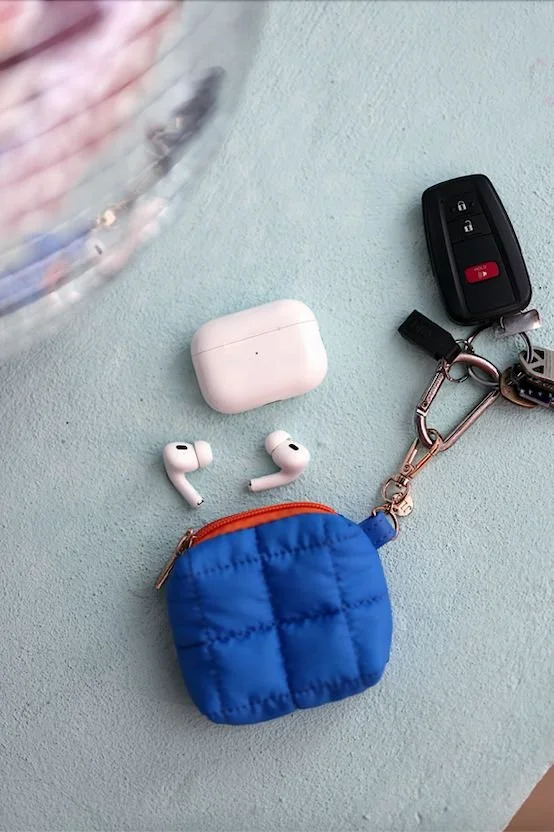
Mini accessories solve real problems without requiring new purchases. Clip-on pouches add functional storage to bags, keychains, or jackets are small additions that extend the life of what you already own.
Mini Accessories as Functional Add-Ons
Clip-on pouches, mini backpacks, and modular attachments give existing items new function. A tote gains organization. A jacket gets extra storage. Products adapt to changing needs without requiring replacement.
These small additions reduce the need for entirely new purchases while solving real problems. Function meets sustainability through thoughtful design.
Why ReLife Matters More Than Ever
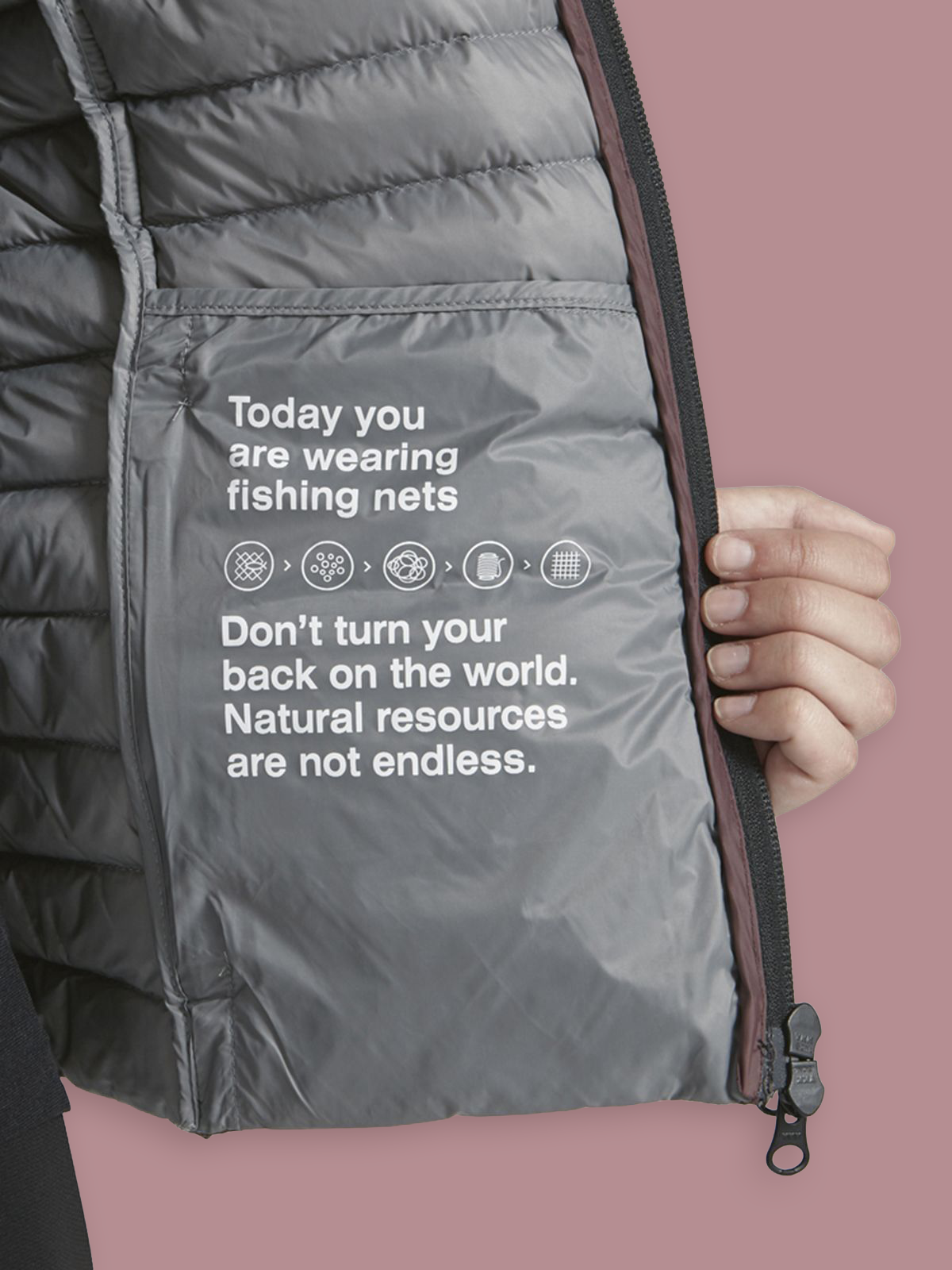
The climate crisis demands visible accountability. Products that tell their material story, and remind us what's at stake, represent the urgency driving ReLife forward.
The climate crisis has moved from abstract threat to present reality. Consumers feel the urgency. They understand their choices have impact. And they're using their purchasing power accordingly.
But ReLife extends beyond environmental concern. It represents a fundamental shift in how people relate to their possessions.
Ownership has become stewardship. Products are investments rather than disposable. Quality matters more than quantity. Longevity trumps trends. Repair gains respect.
This generation celebrates visible mending, treasures vintage finds, and takes pride in keeping items in rotation. ReLife validates these values and builds infrastructure to support them.
For brands, this represents opportunity and obligation. The companies that thrive will be those that design for circularity from the start, embrace transparency without hesitation, and build products meant to last and evolve.
How to Build ReLife Into Your Brand Strategy
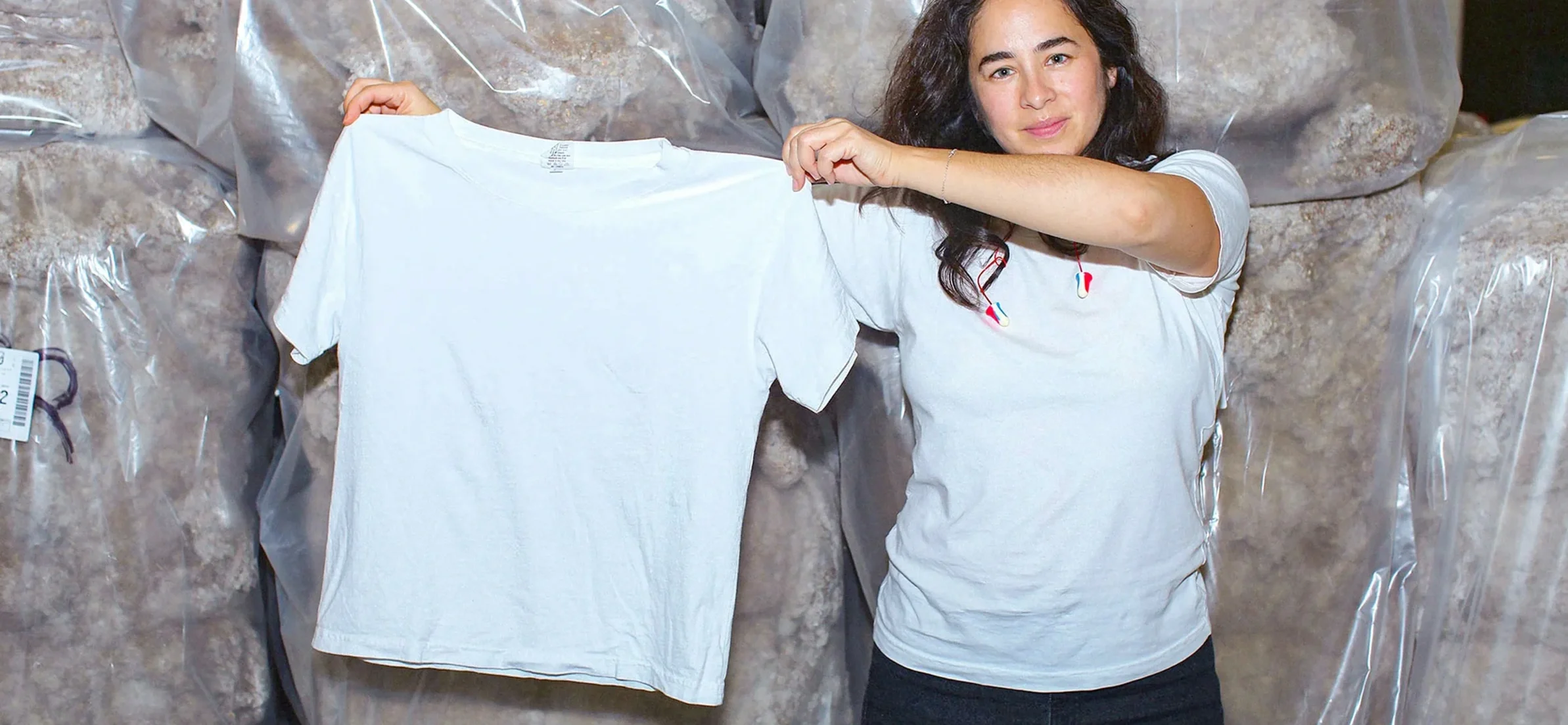
Sustainability becomes visible when you show the process. Reclaimed waste cotton transforms into new products transparency that builds trust and proves commitment beyond marketing claims.
Design for circularity from the start. Consider end-of-life during the design phase. Can materials be recycled? Can products be repaired? Can components be swapped?
Make sustainability visible. Don't hide regenerative materials or ethical sourcing. Make them central to the story. Let imperfections show the journey.
Create systems for reuse. Modular design, repairable construction, and take-back programs extend product life and reduce waste.
Embrace transparency without hesitation. Share sourcing details, production processes, and environmental impact data. Trust comes from openness.
Build accountability into operations. Sustainability can't be a marketing layer. It must be foundational, embedded in materials, manufacturing, shipping, and company culture.
Support creative expression through customization. Pins, patches, embroidery, and modular accessories help products evolve with their owners, reducing the need for replacement.
ReLife rewards brands that commit to long-term change over short-term trends. The products that last physically will come from companies that last ethically.
For more sustainable solutions, discover how RISE by Whitestone can elevate your ReLife strategy.

The Evolution Continues
ReLife: Here to Stay is one of five trends defining 2026 that’s shaping how brands meet evolving consumer expectations.
Want to bring ReLife principles into your next product line or brand activation? Let's design merchandise that honors materials, respects craft, and builds toward a more sustainable future.
Sustainability isn't optional anymore. And we're here to help you design for what comes next.
Images courtesy of WGSN