
The Zero-Landfill Exit Strategy
Client
Debrand
Year
2026

Precise manual sorting: Every garment is evaluated by hand to ensure textile waste is properly categorized for optimal recycling and breakdown.
INSPIRATION
When a major financial enterprise needed to decommission 3,000 premium branded backpacks, they faced a modern corporate paradox. Simply throwing them away was a dual failure: a massive environmental liability and a glaring brand-protection risk. Branded assets sitting in a landfill are a magnet for unauthorized resale, counterfeit exposure, or worse: a visual contradiction of the client's corporate sustainability targets.
To protect the brand, the product had to be securely destroyed. To protect the planet, it had to be intelligently recovered.
Together with our textile sustainability and circularity partner, Debrand, we set out to prove that security and sustainability don't have to compete.
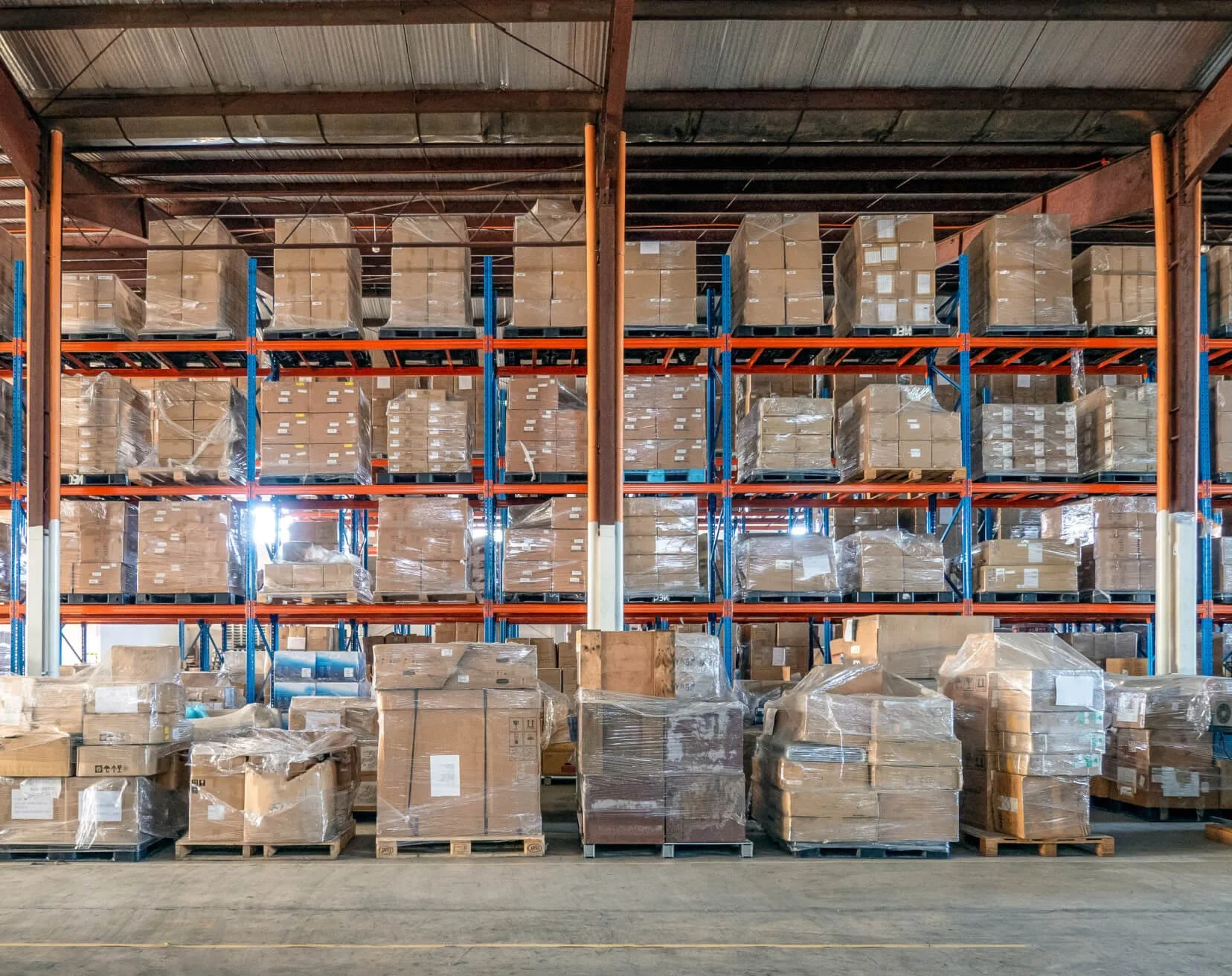
Enterprise-scale operations: Managing secure transport and bulk storage logistics required to execute zero-landfill brand exit strategies safely.
PLAN
The blueprint required a bulletproof reverse-logistics network. We had to securely transport three massive pallets of material totaling 1,510 pounds from the client's facilities to Debrand's secure sortation hub. The constraints were absolute:
100% Brand Protection: Every single logo, zipper pull, and identifier had to be completely destroyed to prevent downstream misuse.
Zero Landfill Contribution: Not a single thread of the 1,510-pound net weight could touch a dump.
Verifiable Compliance: The financial sector demands legal certainty. We needed a locked chain of custody resulting in an official Certificate of Destruction.
PRODUCT
Backpacks are notoriously difficult to process. Unlike a simple cotton t-shirt, a premium tech backpack is a complex mix of heavy-denier synthetic nylon, plastic buckles, metal zippers, internal foam padding, and reinforced stitching.
Because the intricate, multi-material composition of these specific packs meant they could not be broken down for standard fiber reclamation, we triggered our last line of defense: Responsible Disposal via Waste-to-Energy.


Facing the textile challenge: Reimagining the massive volume of corporate apparel waste as raw materials for a circular economy.
Every single one of the 3,000 backpacks was securely shredded, destroying all proprietary iconography. The shredded material was then directed to advanced thermal recovery facilities, converting the physical textile volume into clean electricity to power regional grids.
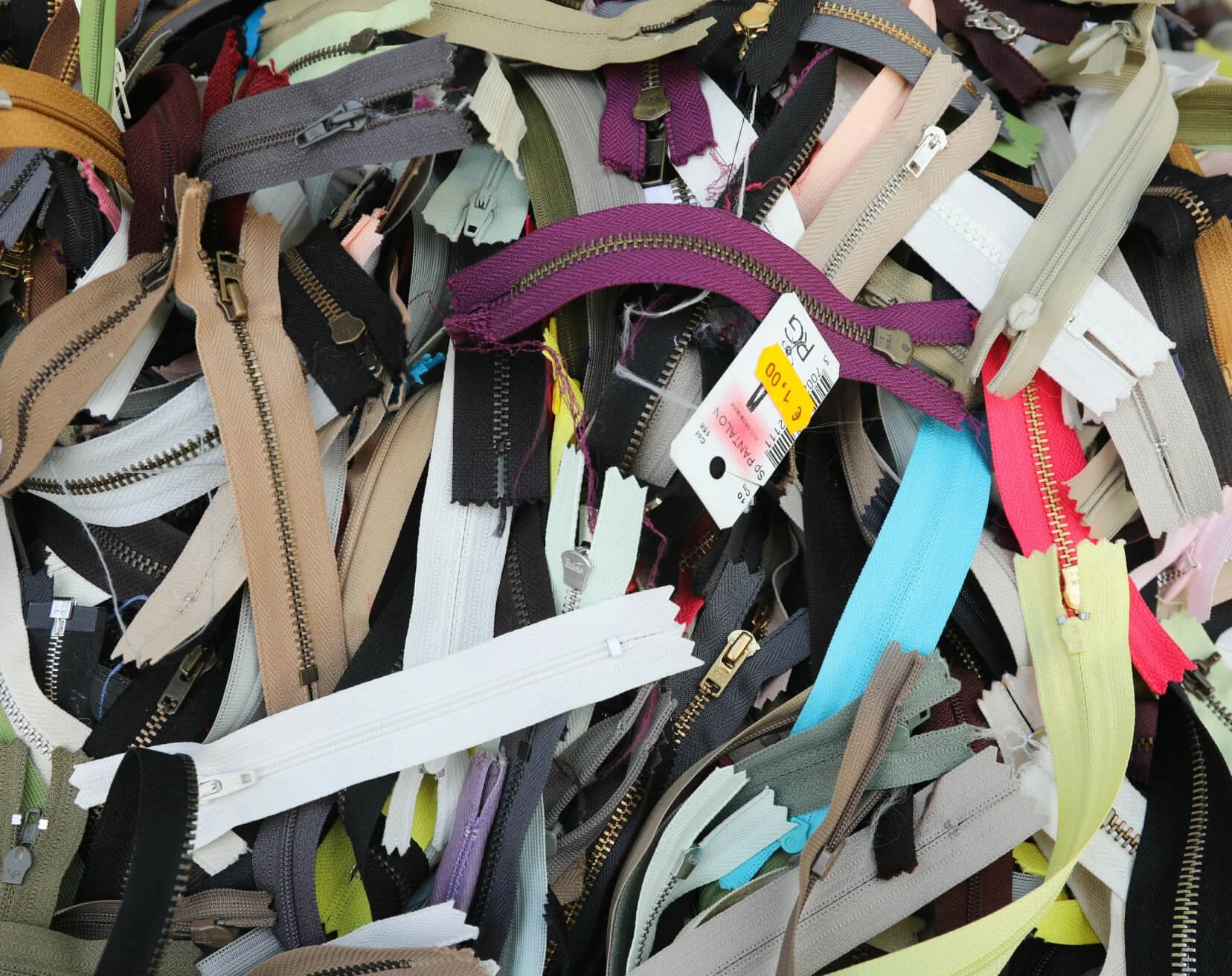
Deconstructing the details: Sorting and isolating hardware components like zippers and buttons is a critical step in preparing garments for fabric recycling.
RESULTS
We turned an inventory liability into an environmental asset, proving that high-stakes corporate compliance can seamlessly drive ESG goals.
Landfill Diversion: 100% of the 1,510-lb shipment was completely diverted from landfill.
Energy Recaptured:1,510 lbs of material successfully converted into clean electricity via specialized Waste-to-Energy incineration.
Ironclad Verification:The project concluded with a formal Certificate of Destruction, giving the client's legal and sustainability teams absolute peace of mind.
Through our partnership with Debrand, we demonstrated that secure destruction of branded products doesn’t need to come at the expense of sustainability.